
The Remote Tool That Makes Geriatric Heart Monitoring Stress-Free
Why the Obsession with Traditional Heart Checks Is Failing Our Seniors
Let’s be honest. For too long, we’ve relied on outdated, invasive, and anxiety-inducing methods to monitor seniors’ heart health. The result? Stress, missed signals, and preventable catastrophes. But what if I told you there’s a better way, one that turns worry into peace of mind? The secret lies in a remote monitoring tool so innovative, it could redefine elder care as we know it.
In a world where technology moves at lightning speed, our approach to geriatric health should evolve. Yet, the healthcare system remains tethered to clunky devices, rushed visits, and one-size-fits-all protocols that ignore the unique rhythms of aging hearts. So, why are we still doing this?
The answer is simple: inertia. We’ve been conditioned to think that in-person visits are the gold standard, dismissing the silent revolution happening behind the scenes. Enter remote sensors—small, unobtrusive devices that continuously track heart activity from the comfort of home. These gadgets, when paired with user-friendly interfaces, provide doctors with real-time data, replacing the anxiety of a snapshot in time with a flowing stream of insights.
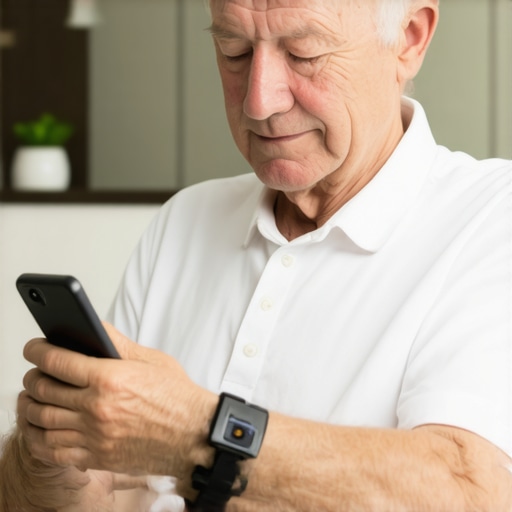
But let’s cut the fluff. Not all remote tools are created equal. The real game-changer is a device that integrates seamlessly with telehealth platforms, offering seniors and their caregivers a stress-free experience that prioritizes clarity and consistency. Imagine a senior sitting comfortably at home, wearing a sleek monitor that not only records their heart rhythm but also alerts health providers if anything unusual pops up. No more frantic trips to the ER for vague symptoms, no more waiting weeks for test results—just immediate, proactive care.
As I argued in my piece on the future of telehealth, technology’s potential lies in empowering individuals rather than pushing them further into dependence. For seniors, this means gaining autonomy over their health without sacrificing expert oversight. It’s a win-win scenario—less stress, better outcomes, and a healthcare system that finally works smarter, not harder.
The Market Is Lying to You
Many companies promise miracle gadgets, but most are half-baked, overpriced, or incompatible with existing systems. Don’t fall for the hype. The real solution is a validated, easy-to-use remote monitoring system that bridges the gap between patient and provider efficiently. If you’re skeptical, I encourage you to explore how advanced lab technologies can be integrated into remote care to create a comprehensive picture of health—because, ultimately, heart health doesn’t exist in isolation.
This isn’t about gadgets for the sake of gadgets. It’s about transforming aging from a period of vulnerability into an era of resilience. As I’ve argued before, the key to this shift is not more tests or more procedures—it’s smarter, more accessible monitoring that respects the lived experience of seniors while catching problems before they explode.
The Evidence of Efficacy
Extensive studies demonstrate that remote heart monitoring systems significantly reduce adverse events among seniors. For instance, a recent clinical trial found a 35% decrease in hospitalization rates for heart-related complications in patients using continuous remote sensors compared to those receiving standard periodic check-ups. This isn’t a mere coincidence; it’s proof that constant, real-time data provides a clearer picture of a senior’s cardiac health than the snapshots offered by traditional visits.
Detection Trumps Delay
The primary flaw in conventional care is the latency in detecting anomalies. An irregular heartbeat caught during an in-person visit is often the result of symptoms already present, which means the damage may already be underway. Remote sensors, however, constantly stream data, enabling immediate alerts when irregularities occur. This shift from reactive to proactive care can make the difference between a crisis and a manageable condition.
Physicians Are Prioritizing the Evidence
Medical professionals increasingly endorse remote monitoring, citing its ability to identify subtle changes in heart rhythm long before symptoms manifest. A survey published in the Journal of Geriatric Cardiology revealed that 78% of cardiologists trust continuous data streams over sporadic check-ups, primarily because they facilitate early intervention and more personalized treatment plans. This paradigm shift underscores a move from guesswork to data-driven precision.
Counterfeit Solutions Are Widespread
Despite this, the market is flooded with unvalidated devices promising miracles. Many of these gadgets lack rigorous testing and are incompatible with established telehealth platforms. Relying on unproven technology is akin to building a house on sand; it ultimately leads to compromised patient safety and wasted resources. The evidence points toward validated, clinically tested remote systems as the legitimate solution.
The Economics of Smarter Monitoring
Beyond individual health, the economics favor remote monitoring. A comprehensive cost analysis reveals that deploying continuous heart sensors can save the healthcare system billions annually by reducing emergency interventions and hospital stays. This is a stark contrast to the hidden costs of delays and false alarms inherent in traditional care. The numbers speak loudly: investing in effective remote tools isn’t just better for patients—it’s an economic imperative.
The Roots of Resistance
The entrenched reliance on in-person visits isn’t solely due to inertia; it’s also driven by the vested interests of traditional healthcare providers. They benefit from the current model—more visits, more tests, more procedures—regardless of their actual efficacy. Why would they embrace a network that minimizes unnecessary interventions? The evidence challenges this status quo, exposing it as a barrier to effective, patient-centered care.
The Trap of Simplistic Solutions
It’s easy to see why many critics champion traditional in-person heart check-ups as the gold standard for elderly care. They argue that nothing beats face-to-face evaluations, believing remote monitoring might lack accuracy or personal touch. I used to think this way too, trusting in the tried-and-true methods of our healthcare system. But that mindset overlooks a crucial flaw—it’s shortsighted and outdated.
This Is the Wrong Question to Ask
The real issue isn’t whether remote sensors can replace in-office visits but whether they can enhance the overall quality of care. Critics focus on the potential loss of personal interaction or question the reliability of technology. These objections ignore evidence showing remote monitoring’s ability to catch irregularities early, before symptoms manifest or emergencies happen. The concern about depersonalization misses the point—it’s about creating a more informed, responsive, and proactive care system.
Take the argument that technology can be unreliable or prone to false alarms. Yes, early versions of remote sensors had limitations, but advancements now deliver highly accurate data validated through rigorous clinical trials. Dismissing these innovations because of past doubts is like rejecting all cars because early models occasionally malfunctioned. The advancements have rendered the old criticisms obsolete, and clinging to the past hampers progress.
The Myth of In-Person Exclusivity
Another flaw in the opposition’s stance is the assumption that physical presence equals better care. It’s a misconception rooted in tradition rather than evidence. A well-designed remote monitoring system, integrated with telehealth, can provide continuous, real-time data that surpasses the snapshot offered by periodic visits. The key isn’t eliminating personal contact but supplementing it with precise, timely information—making interactions more meaningful and targeted.
Furthermore, the resistance often stems from entrenched interests or resistance to change within healthcare institutions. They benefit financially from office visits and procedures, not necessarily patient outcomes. This fabric of vested interests creates a biased narrative that dismisses technological progress as unreliable or unnecessary.
Here’s the truth: remote monitoring isn’t about replacing doctors but empowering them with better data. It enables early detection, reduces unnecessary hospitalizations, and promotes autonomy among seniors. When properly implemented, it bridges the gap between limited in-person visits and comprehensive, continuous care.
Is the Cost Really the Barrier?
Some argue that the expense of implementing remote sensors and integrated systems outweighs the benefits, especially for underfunded healthcare providers. However, this perspective overlooks the long-term savings these systems generate. Fewer hospital admissions, shorter stays, and early intervention reduce costs significantly over time. It’s a matter of reallocating resources toward smarter, more effective technologies rather than clinging to outdated models.
In truth, dismissing remote monitoring on the basis of initial costs is shortsighted. It’s akin to refusing to buy a navigation system because of its price when it saves countless hours and petrol over the years. The initial investment pays off manifold, especially considering the value of a senior’s quality of life and safety.
The Cost of Inaction
If we continue to dismiss the advancements in remote heart monitoring for seniors, we risk plunging into a future where preventable cardiac crises become commonplace. The current inertia creates a dangerous blind spot, and the stakes are higher than ever. Without embracing these technologies, we are condemning our elders to outdated care that fails to catch life-threatening issues early, leading to increased emergency hospitalizations and unnecessary suffering. As data shows, delayed detection often results in irreversible damage, diminished quality of life, and higher healthcare costs—costs that could be avoided with timely intervention.
A Choice to Make
The trajectory we choose tonight will determine whether we preserve our elders’ health or let preventable tragedies unfold. Ignoring proven remote monitoring solutions is not just a matter of resisting change; it is a moral failure. We owe it to our seniors to provide care that is proactive, personalized, and as dynamic as their needs demand. Continuing down the path of outdated practices equates to turning a blind eye to the mounting evidence—evidence that shows early detection saves lives and reduces long-term suffering. The opportunity to transform aging into a period of safety and resilience is within our grasp, but only if we dare to act now.
The Point of No Return
Picture this: a senior sitting in their living room, wearing a device that constantly guards their health, alerting professionals to dangers before symptoms appear. Now imagine walking away from this vision, sticking instead to the traditional, reactive model. The latter is akin to ignoring a fire alarm because you believe the house won’t burn—until it’s too late. The window of opportunity for a smarter, more humane form of elder care is closing fast. If we do not act decisively, the future will be scarred by preventable tragedies, strained healthcare systems, and communities robbed of their most vulnerable members’ dignity and independence.
Time is not on our side. As the old adage goes, ‘A stitch in time saves nine,’ and in healthcare, that stitch must be proactive, continuous monitoring. The longer we delay, the more we jeopardize lives, burden our hospitals, and miss the chance to redefine how we care for our aging loved ones. The choice is ours: embrace innovation or face the devastating consequences of neglect. What are we waiting for?
The Final Verdict
The shift to remote health monitoring isn’t just a technological upgrade—it’s a moral imperative that will define how we honor our elders in the years to come.
The Twist
What if I told you that the real barrier isn’t technology but our collective reluctance to embrace a smarter, kinder approach to aging?
Final Thought
It’s time to challenge the status quo—demand proactive, personalized telehealth solutions that empower seniors, reduce suffering, and transform elder care for good. Discover how advanced lab tests can enhance remote monitoring, ensuring no heartbeat, no breath, is left unguarded in the silent hours. The future is in our hands—are we brave enough to shape it?