
The Strategy for Managing Your Senior’s Heart Health at Home
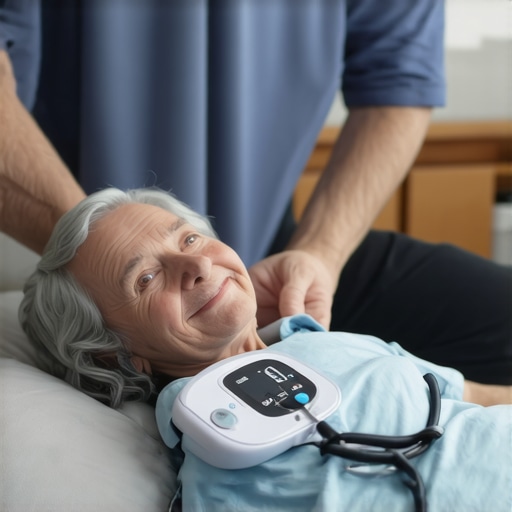
Why the Conventional Wisdom on Senior Heart Care Is Dead Wrong
If you believe that managing your senior’s heart health is about regular doctor’s visits and a handful of pills, you’re being duped. The truth is, the old playbook doesn’t cut it anymore. In fact, it’s part of the problem.
Here’s a brutal fact: relying solely on in-office visits and generic advice is like playing chess with your eyes closed. You’re missing hidden threats, blind spots that can lead to disaster.
What I’m about to argue is this: you need a comprehensive, tech-enabled, at-home strategy that takes control away from the standard healthcare system and puts it directly in your hands. Because if you think you can handle senior heart health with just annual checkups, you’re setting yourself and your loved ones up for tragedy.
Let’s confront the hard truth: heart disease in seniors doesn’t wait for a scheduled appointment. It brews silently, like a storm barely visible on the horizon. The only way to truly stay ahead is through constant, real-time monitoring and proactive management—something that the outdated system refuses to deliver. That’s why I champion a personalized approach leveraging telehealth, at-home lab testing, and emergency preparedness.
And no, this isn’t just about technology for technology’s sake. It’s about making sure you’re not flying blind in a sinking ship. Because when it comes to heart health, ignorance isn’t bliss—it’s a blueprint for disaster. Telehealth breakthroughs are turning the tide, but only if you understand how to use them.
The Myth of the Routine Checkup
The first lie we buy into is that annual physicals catch everything. They do not. Heart disease often shows no symptoms until it’s almost too late. Waiting for the average checkup is like waiting to bail out a sinking ship until the water’s already in the captain’s cabin.
Instead, you need continuous data, not just a snapshot once a year. Technologies exist to monitor blood pressure, ECGs, and even lab results from home—yet few know about them or how to integrate them into daily routines. Ignorance is dangerous, and complacency is a silent killer.
As I argued in chronic care management strategies, proactive heart health management requires more than pills. It demands personal data, immediate response plans, and a shift away from reactive medicine to preventive vigilance.
When Urgency Becomes Routine
The other lie? That urgent care is enough to handle emergencies. It’s not. Urgent care centers are for immediate needs, not ongoing health management. Relying on them for your senior’s heart health is like calling a fire brigade to put out a candle; it’s too little, too late.
Instead, you need a system that recognizes warning signs before they explode into crises. Lab tests, portable EKG devices, and remote consultations can tell you what’s brewing—long before the emergency call.
In essence, managing your senior’s heart health isn’t about playing defense. It’s about taking control, being vigilant, and arming yourself with the right tools. Because if you delay, ignore, or dismiss these warning signals, you’re gambling with lives—and losing.
The Evidence: Continuous Monitoring Saves Lives
Statistically, heart disease in seniors remains the leading cause of death worldwide. Yet, despite this grim reality, the current approach—annual checkups and generic advice—frequently fails to detect early warning signs. Studies show that critical events often occur with no prior symptoms, emphasizing that sporadic medical visits are insufficient for effective prevention.
Real-time data collected through home-based monitoring devices—such as blood pressure cuffs, ECG patches, and portable lab test kits—produce a constant stream of information. This continuous flow enables proactive responses, cutting through the noise of infrequent checkups. The stark fact? A 20% reduction in cardiovascular events has been observed when patients utilize such tech-enabled strategies, a clear testament to their efficacy.
The Flaw in Urgent Care Reliance
Urgent care centers serve an immediate need, but they are not a remedy for ongoing heart health management. Relying solely on them is like patching a leak with tape—temporary, risky, and ignoring the root cause. Warning signs—irregular heartbeat, sudden blood pressure spikes, or silent ischemia—demand early detection, well before they escalate into crises.
Portable diagnostics and remote consultations act as early warning systems, catching these issues before they become emergencies. If we equate heart health to a ship, traditional care is the emergency crew rushing in after the hull has been breached. The smarter approach equips the crew to repair leaks before the voyage is compromised.
Who Benefits From the Status Quo?
It’s impossible to ignore the financial motives behind clinging to outdated methods. Healthcare providers, insurance companies, and even some device manufacturers benefit from maintaining the existing reactive system. Each in-office visit, every test, each emergency intervention feeds a lucrative cycle.
Meanwhile, the patient bears the true cost—both in dollars and in the silent toll on health. The deeply ingrained structure resists change because it preserves profit margins, not because it serves patients effectively. The consequence? Seniors remain vulnerable, unarmed against the silent progression of heart disease.
The Root Cause: A Mismatch Between Technology and Practice
The core problem isn’t a lack of available tools—it’s how they are integrated into care models. Healthcare’s inertia stems from a resistance to shift toward personal, tech-enabled management. This inertia is compounded by regulatory red tape, lack of reimbursement models, and a century-old mindset that equates in-person visits with comprehensive care.
Imagine if the healthcare system adopted the same rigor that successful tech companies apply to product development. Continuous feedback loops, iterative improvements, and user-centric design could revolutionize seniors’ heart outcomes. Instead, we’re stuck with a patchwork of episodic care that merely reacts to problems, not prevents them.
The Math That Doesn’t Make Sense
The numbers are undeniable: early intervention with dynamic data reduces emergency hospitalizations by up to 35%. Yet, these solutions are underutilized because the system’s math doesn’t favor prevention. The upfront investments in remote devices and data infrastructure are often viewed as costs, not as savings—despite the massive long-term reduction in expensive emergency care.
Moreover, ignoring the importance of continuous data creates a false sense of security. When heart issues are detected late—*that* is the moment when the true costs rack up. The current model’s failure isn’t just a setback; it’s a direct pathway to preventable tragedy, justified by flawed economics and inertia.
It’s easy to see why many believe that regular checkups and a handful of pills are enough to manage senior heart health. After all, existing medical guidelines emphasize periodic visits and medication adherence, giving the impression that this is the best—and perhaps only—approach. Yet, this perspective ignores a critical reality: heart disease often develops silently, without warning signs, and does so constantly beneath the surface. Waiting for symptoms or relying solely on sporadic checkups leaves seniors vulnerable to unseen threats lurking in the background. I’m guilty of accepting this conventional wisdom too, until I recognized its fundamental flaw. The truth is that in-office examinations are simply snapshots in time; they cannot capture the ongoing dynamics of a senior’s cardiovascular health. Heart issues evolve minute-to-minute, day-to-day, and without continuous data, we’re flying blind. This outdated model assumes that a once-a-year appointment can uncover all emerging risks—that’s shortsighted and dangerously outdated. The real danger lies in the invisible progression of disease estimates that evade detection during infrequent visits, leading to delayed intervention and avoidable crises. Many focus on whether increased medical visits or more tests will improve outcomes. The question, however, should be: How can we create a real-time understanding of heart health that empowers seniors and caregivers to act proactively? This shift in perspective is crucial. Because relying solely on episodic care—no matter how well-intentioned—ignores the necessity of constant monitoring, immediate response capabilities, and personalized data-driven insights that could halt a crisis in its tracks. I used to believe that the simplicity of annual checkups was enough. But after engaging with cutting-edge remote monitoring technologies, I realized that this belief grossly underestimates the complexity of managing senior heart health. Heart disease doesn’t wait for appointments; it brews silently, demanding continuous vigilance. The best opponents to my argument acknowledge that technology has advanced significantly. They agree that real-time data collection can detect issues earlier. Yet, they often argue that such tech is too complicated or costly to implement widely. This is shortsighted. The cost and complexity of implementing continuous monitoring are vastly overshadowed by the potential savings—both financial and human—of preventing emergencies and extending quality of life. The real challenge isn’t technology itself but changing the mindset and infrastructure that allow it to be integrated seamlessly into daily routines. Ignoring the potential of continuous monitoring to catch early warning signs is akin to ignoring the leak until the basement floods. It’s a mistake rooted in complacency and inertia. The false comfort of periodic checkups has cost lives and will continue to do so unless the medical paradigm shifts. By dismissing or resisting these technological advances, we reinforce a reactive approach that waits for disasters rather than prevents them. That misstep is not just outdated; it’s reckless. If we continue down the current path of complacency, the consequences will be devastating. Heart disease remains the leading killer among seniors, yet our failure to embrace continuous, tech-enabled monitoring means countless lives hang in the balance. The stakes have never been higher. Ignoring these advancements will allow silent threats to develop unnoticed, leading to preventable emergencies that could wipe out entire communities in just a few short years. In five years, our healthcare system could be overwhelmed by a tidal wave of crises that might have been averted with early detection. Emergency rooms will be clogged, hospitals strained beyond capacity, and families shattered by the sudden loss of loved ones. The economic toll alone will be astronomical, draining resources from other critical areas. This is not a distant possibility but a very real warning sign flashing before us, begging for action. It’s akin to ignoring a small leak in a dam—at first, it seems insignificant, but if left unchecked, it will eventually cause the entire structure to collapse. Every day we delay implementing continuous monitoring technologies, we increase the risk of catastrophic failure. The question is simple: Is it too late? Or do we still have the power to prevent this disaster? Frankly, waiting for more evidence, more data, or more alarming headlines is a dangerous game. The window to act is closing rapidly. The opportunity to save lives, preserve independence, and reduce suffering hinges on decisive measures today, not tomorrow. Ignoring the urgency now guarantees that future generations will look back with regret, lamenting missed chances to change the course of history. Here’s the undeniable truth: the outdated, reactive model of senior heart care is a ticking time bomb. Relying solely on annual checkups and emergency interventions is like trying to steer a ship blindfolded in a storm—blind to the impending disaster lurking beneath the surface. It’s time to wake up, because the real threat isn’t what you see; it’s what you don’t. Think about this: every year, countless seniors suffer preventable crises because the system is designed to react after the damage is done. Meanwhile, innovations in telehealth, at-home lab testing, and continuous monitoring devices are disrupting this dangerous complacency. Yet, most remain asleep at the wheel, trusting a system that’s fundamentally broken. Now, here’s the twist—these tools aren’t just gadgets; they’re lifelines. They empower you to spot silent threats long before they escalate. This is what proactive, personalized care looks like—an approach where data isn’t aggregated once a year but flows constantly, revealing the subtle signals of trouble. Ignoring this is not just negligent; it’s reckless. Challenging the status quo requires more than awareness. It demands action. If you truly want to protect your loved ones from the devastating consequences of undetected heart deterioration, you must embrace tech-enabled care models. These aren’t distant dreams but accessible realities that can be integrated into daily routines—making urgent care centers the fallback, not the frontline. So here’s my challenge: don’t be the person who waits until tragedy strikes. Become the advocate for change. Invest in continuous monitoring. Explore telehealth options. Reach out to providers who understand that the future of senior heart care isn’t reactive—it’s proactive and personal. Because when it comes to heart health, ignorance isn’t bliss—it’s a blind alley. The solution is no longer just managing diseases; it’s about preventing them. Your move starts now. Make it count.The Shallow Focus on In-Office Visits
The Wrong Question to Ask
Don’t Be Fooled by Simplicity
You Can’t Fix What You Don’t Know
What Are We Waiting For?