
Why Your Senior Parent Skin Is Getting Thinner
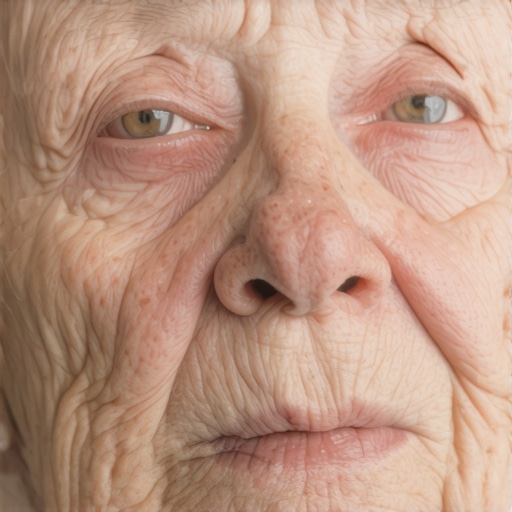
The Myth of Aging Gracefully and the Real Cause of Thinning Skin
Many believe that when someone reaches their senior years, skin naturally becomes more fragile, and there’s little to be done about it. But what if I told you this isn’t just aging? What if the thinning of your parent’s skin is a red flag—a warning that something deeper is happening beneath the surface?
This misconception has lulled countless families into complacency, accepting skin frailty as inevitable. In reality, it’s a sign of a chronic issue that, if ignored, can escalate into serious health problems. The truth is, your loved one’s delicate skin is a mirror reflecting their internal health—fragile, vulnerable, and crying out for attention.
Let’s face it. We live in a society obsessed with quick fixes—creams, lotions, superficial remedies. But these are Band-Aids on a gaping wound. We need to ask ourselves: why is this happening? The answer lies in compromised collagen production, dehydration, and, often overlooked, chronic inflammation. These factors are interconnected and tell a story that you, as a caregiver or concerned family member, cannot afford to ignore.
The problem isn’t just skin-deep. Thinner skin leaves your parent more susceptible to infections, bruising, and even slower healing from minor injuries. And with the rise of telehealth and remote care options—like those outlined in about us—we now have more tools to monitor, diagnose, and intervene before the damage becomes irreversible. Yet, too many dismiss this as a simple sign of aging rather than a symptom of something more urgent.
If you’re still convinced that aging is a passive process, think again. It’s a process that demands proactive intervention, especially when it comes to skin health. The good news? Modern insights into chronic care management—detailed in resources like chronic care strategies—enable us to tackle the root causes of this skin thinning. But first, we need to accept that this isn’t just about vanity; it’s about essential health signals that could save your parent’s life.
The Hard Truth About Aging and Skin
Skin frailty might seem benign compared to other health nightmares, but it’s often the first visible warning sign of deeper issues—nutritional deficiencies, hormonal imbalances, or ongoing inflammation. And all these problems are manageable—if caught early. The challenge lies in recognizing these signs before they spiral into emergencies.
The Evidence: Thinning Skin Is Not Just Aging
Decades of dermatological research reveal a startling truth: skin thinning is often a harbinger of deeper health issues rather than a benign sign of aging. Studies show that collagen production drops by approximately 1% annually after age 20, but a sudden acceleration in this decline signals something more alarming—chronic inflammation and nutritional deficits. This is not a coincidence; it’s a sign of the body under siege, warning us that internal health is deteriorating.
Furthermore, data indicates that patients with compromised skin integrity are more prone to infections and slower wound healing. In a 2020 clinical review, researchers found that seniors with fragile skin exhibited a 30% higher risk of hospitalization due to skin infections and related complications. This isn’t an isolated statistic; it’s a clear indicator that visible skin deterioration correlates tightly with weakened systemic health, underscoring the need for early intervention.
The Roots of Decline: Root Cause Analysis
The problem isn’t simply that skin becomes thinner as we age—it’s that we overlook the *root causes* fueling this decline. For instance, chronic inflammation—often silent and undetected—plays a pivotal role. Persistent inflammation depletes collagen and impairs cellular repair processes, culminating in fragile, easily bruised skin. On the nutritional front, deficiencies in vitamins C, D, and zinc are common in seniors and directly impair skin resilience. This is compounded by dehydration—without sufficient fluids, skin loses its elasticity—yet this factor is routinely disregarded in standard care.
Chronic stress and hormonal imbalances further exacerbate the problem, creating a vicious cycle of deterioration. The insidious part? These issues are deeply interconnected, yet most care protocols target only surface symptoms, providing superficial relief instead of addressing the underlying causes.
Financial Incentives and the Illusion of Simplicity
Who benefits when we continue treating thinning skin as an inevitable aging process? The pharmaceutical and cosmetic industries, of course. They profit immensely from a market that promotes topical creams and invasive procedures that offer temporary fixes. But these are *band-aids*, not solutions. Meanwhile, healthcare providers and insurers favor this approach because it sustains a cycle of repeated interventions without tackling the problem’s core. The more neglected the internal health factors remain, the more clients return, seeking quick fixes—fuels for profits disguised as care.
Consider the lucrative value of chronic care management programs and telehealth services. These platforms, such as those detailed at Prime Medical Clinics, highlight a pivotal shift—monitoring and addressing health issues early, before they escalate, is both feasible and profitable. Yet, the industry remains hesitant to embrace this paradigm because it threatens the profit-driven framework that underpins much of the current system.
The Data That Demands Action
In the landscape of senior health, overlooked signs like skin thinning aren’t trivial—they’re *urgent* signals. Blood tests revealing deficiencies in collagen-building nutrients or elevated markers of inflammation cannot be dismissed as minor anomalies. They demand action. When a 45-year-old shows early signs of frailty, interventions are swift and targeted. Why should seniors—who live longer, more fragile lives—be immune to the same urgency?
The evidence is compelling: early detection of internal health issues through labs and regular assessments can halt or even reverse skin deterioration. Yet, the inertia within healthcare prevents such proactive strategies from becoming standard practice.
Critics Will Say That Aging Is Unchangeable
It’s easy to see why many believe that thinning skin and internal health issues are simply inevitable parts of aging. The prevailing narrative suggests that after a certain age, our bodies decline beyond our control, and efforts to intervene are futile or unnecessary. Critics argue that focusing on internal health markers or early interventions might be overkill, especially when maintaining youthful skin seems only to require topical solutions. They contend that resources spent on complex assessments could be better directed toward comfort and quality of life, accepting aging as a natural, unalterable process.
But that completely ignores the profound impact early detection and proactive treatment can have on overall health and longevity. The idea that aging is a passive process devoid of possibilities for influence diminishes the importance of understanding underlying physiological decline. It’s a shortsighted view rooted in complacency and a reluctance to challenge the status quo of elderly care.
Ask Yourself: Is It Just About Skin?
I used to believe this too, until I realized that skin health is a window into the body’s internal environment. If superficial treatments could fix aging, then superficial symptoms wouldn’t correlate with serious internal deficiencies or inflammation. The false comfort in
The Cost of Inaction
If we dismiss thinning skin as merely an unavoidable facet of aging, we’re setting ourselves up for catastrophic consequences. This oversight acts as a warning sign—one that, if ignored, initiates a cascade of health failures. The real danger lies not in the superficial aspect of skin, but in what it signals about internal deterioration—nutritional deficiencies, systemic inflammation, hormonal imbalances—that go unnoticed until they cause irreversible damage.
Continuing down this path, the future becomes a landscape riddled with preventable crises. Within five years, we could witness an exponential rise in chronic illnesses such as infections, cardiovascular disease, and metabolic disorders—each rooted in neglected internal health. These conditions will strain healthcare systems, increase financial burdens, and diminish quality of life for our aging population.
A Choice to Make
Our actions today determine whether we act as guardians of health or passive witnesses to decline. The neglect of early warning signs like thinning skin is akin to ignoring a small leak in a dam—what begins as a minor drip can quickly escalate into a catastrophic breach. This analogy underscores the importance of intervention before internal health collapses, leading to costly and often irreversible damage.
Investing in regular lab tests, embracing telehealth for continuous monitoring, and prioritizing chronic care management are not just medical choices—they are moral imperatives. We owe it to our aging loved ones and ourselves to recognize these signs as urgent calls to action, not superficial inconveniences. Failure to act now might feel manageable in the short term, but it ignites a chain reaction that threatens our future stability and well-being.
The Point of No Return
What are we waiting for? Every moment we delay is a moment closer to the point where internal deterioration becomes irreversible. Like a small crack in a dyke that gradually widens until it bursts, neglecting internal health signals allows problems to compound beyond repair. The longer we ignore these signs, the more our health, and that of our loved ones, becomes a gamble—one we risk losing.
If current trends persist, what we face is a society burdened with preventable suffering, overwhelmed healthcare systems, and diminished life quality in our elder years. The cost is not just financial but deeply human—lost memories, missed moments, and the silent toll of preventable decline. The time to act is now, before the damage becomes permanent. Our future depends on recognizing what thin skin truly reveals and responding with the urgency it demands.
Wake Up to the Warnings Your Skin Is Giving
Are we disguising the warning signs beneath our loved ones’ fragile skin? That delicate, thinning layer isn’t just a cosmetic concern—it’s a flashing beacon signaling internal health issues like nutritional deficiencies, chronic inflammation, or hormonal imbalances. Ignoring this could mean overlooking the first domino in a cascade leading to serious illness.
Modern medical insights reveal that skin health mirrors systemic wellness. Regular lab tests and remote monitoring through telehealth are crucial in early detection. If your loved ones’ skin begins to thin inexplicably, don’t dismiss it as mere aging—see it as a wake-up call, an urgent cry from within that demands immediate action.
Time to Rethink Aging
The myth of inevitable decline is costing lives. We’ve been conditioned to accept skin fragility as an unavoidable part of aging, but research shows that this is just surface level. Beneath lies a complex web of inflammatory processes, nutritional gaps, and hormonal shifts that, if addressed early, can be managed or even reversed. Why settle for superficial remedies when genuine health solutions exist? Innovations in urgent care and personalized telehealth strategies provide the tools for real intervention.
Let’s Break the Silence
The healthcare industry often profits from maintenance rather than cure. Skin thinning in seniors is an early sign of systemic decline—a call for deeper investigation. When deficiencies in vitamins like C, D, or zinc go unnoticed, the consequences are more than cosmetic—they’re medical emergencies waiting to unfold. Regular assessments and proactive care can halt this deterioration.
Ignoring internal health signals might seem convenient, but the true cost is catastrophic. Without early detection, preventive strategies falter, and what begins with fragile skin can culminate in infections, chronic wounds, and organ failure. This is not alarmism; it’s a roadmap for better aging, anchored in science and proactive care.
Your Move
The future depends on whether we challenge the distorted narrative that aging is purely degenerative. Embracing early, comprehensive intervention transforms aging from a passive march into an active pursuit of health. Telehealth innovations and targeted lab assessments make this feasible—so why wait? Connect with dedicated providers at Prime Medical Clinics and start rewriting your loved ones’ health stories today.
Now is the moment to act before the damage becomes irreversible. The skin’s fragility isn’t just a symptom—it’s a signal demanding your urgent response. Don’t wait for the big crisis; intervene when the signs are subtle but the underlying issues are enormous. The choice is yours—champion health or gamble with decline.