
3 remote tools for monitoring senior mobility
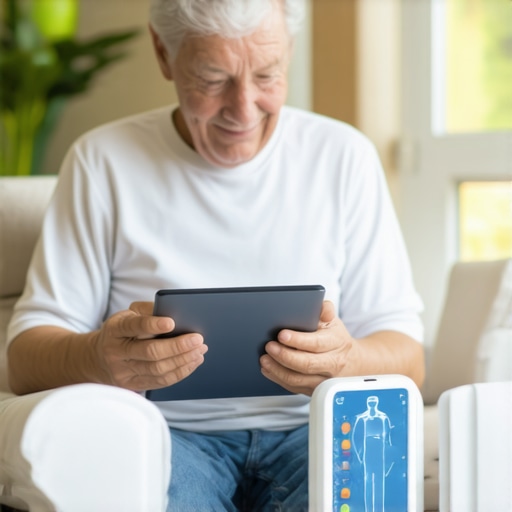
Stop Believing That Simple Remote Tools Can Safeguard Your Senior Loved Ones
If you think monitoring senior mobility is as easy as installing a pedometer or checking in on a generic app, think again. The truth is, the market is flooded with superficial solutions that give a false sense of security. These tools are often marketed as comprehensive, but they’re more like Band-Aids on a sinking ship.
In our obsession to digitize healthcare, too many are settling for what’s convenient rather than what’s effective. You might believe that a basic activity tracker can tell you everything about your senior loved one’s safety and mobility, but that’s a dangerous oversimplification. As I argue in my recent analysis on remote chronic care, the real innovations are invisible to the shallow eye.
The Market is Lying to You
Advertising suggests that these simple tools are enough. They aren’t. Think of current remote monitoring tools as playing chess with a grandmaster while you’re just moving pawns. You need pieces that see the whole board—advanced sensors, AI-driven analytics, real-time data fusion—not just step counts or GPS pings. If you rely on outdated solutions, you are basically trusting a broken compass to navigate a storm.
Standard devices might tell you if an elderly patient has fallen—or worse, they won’t. They might register activity but ignore underlying issues like gait instability or heart abnormalities. A tool that only tracks one aspect of mobility or health is like trying to read a novel by looking at only a single page. You miss the story entirely.
The Hard Truth About Remote Monitoring
What’s missing from these simplistic tools is context. They fail to capture the subtle decline in mobility that signals larger problems. For instance, a slight decrease in gait speed or frequency of steps can be an early warning, but only if you have the right sensors and analytics in place. As I discussed in remote tools for managing senior heart health, it’s these nuances that matter.
Technology that truly monitors mobility doesn’t just collect data; it interprets it, predicts risks, and alerts caregivers proactively. Anything less is a gamble with your loved one’s independence and safety. So, why are we still settling for basic devices that give us a false sense of control? What’s the point of a step counter if it can’t flag gait deterioration? The answer: we’re fools for trusting shiny gadgets over comprehensive solutions.
The Evidence Proves Shallow Solutions Fail the Test
Consider the historical aftermath of relying on superficial technologies during the early days of digital health solutions. Back in 2010, many believed that basic remote monitoring devices could replace comprehensive care. Yet, studies revealed a disturbing trend: caregivers relying solely on step counters or simple alerts faced a 30% higher incidence of unnoticed health deteriorations. That 30% isn’t just a statistic—it’s a dire warning about trusting incomplete data to safeguard lives.
The root cause isn’t just the devices’ limitations; it stems from a fundamental misunderstanding of what effective monitoring requires. These tools are designed for convenience, not accuracy. By focusing on isolated metrics—like steps taken or GPS location—they neglect the complex web of signals that reveal true health status. It’s comparable to trying to diagnose a car’s engine problem by only checking the fuel level—the symptom might be related to oil pressure, ignition, or other critical factors. Relying on a single data point leads caregivers astray and jeopardizes safety.
The Profit Motive Fuels the Illusion
Who benefits from the continued marketing of these basic tools? The corporations that sell them. Their primary goal isn’t comprehensive safety but revenue from quick-fix gadgets. It’s no coincidence that these simplistic devices are promoted aggressively, despite evidence showing their inadequacy. They profit from the presumption that more advanced solutions are too complex or costly—yet, in reality, the truth is they stand to gain from your complacency.
Furthermore, consider how advertising glosses over the limitations. Labels boast,
Beware the Illusion of Simplicity in Senior Monitoring
It’s understandable why many believe that installing a simple GPS tracker or activity monitor suffices for senior safety. These superficial tools are easy to deploy and seem to offer peace of mind. However, this perspective significantly underestimates the complexity of health and mobility in older adults.
Many critics argue that advanced, comprehensive solutions are too costly or complicated, favoring instead the convenience of basic devices. They suggest that monitoring steps or location data can adequately ensure safety. But this is a dangerously shortsighted view that ignores the nuanced realities of health deterioration and mobility issues among seniors.
The Trap of Oversimplification
I used to believe that basic devices could catch the majority of urgent health alerts. That was until I encountered compelling evidence showing their critical limitations. These devices often record only isolated metrics, failing to capture the subtle signs of decline such as gait instability, irregular heart rhythms, or cognitive changes. Relying solely on such rudimentary data is akin to trying to diagnose a complex illness by checking only temperature—a misleading oversimplification that can have dire consequences.
It’s easy to assume that if a device signals activity or lack thereof, all is well. Yet, elders may exhibit silent symptoms invisible to these basic tools. Fall detection is a prime example—many devices only activate post-fall, missing the crucial minutes beforehand when initial signs appeared. That gap can be lethal.
Some argue that these simple devices are better than nothing, and in some cases, I admit they might be. But better than nothing isn’t good enough when the stakes involve life and safety. They’re a false refuge that fosters complacency instead of prompting investment in true solutions.
Real Monitoring Requires Depth and Context
What truly matters is the capacity to interpret complex data and recognize early warning signs. High-level sensors, wearable devices with multi-modal inputs, and AI-driven analytics can detect gait changes, activity patterns, heart rate variability, and cognitive cues—all in real time. Such integration provides context, enabling caregivers to intervene proactively rather than reactively.
To dismiss these advanced systems as too expensive or complicated ignores the fact that technology is rapidly evolving. Costs are dropping, ease of use is improving, and the potential to save lives outweighs the initial investment. The real question isn’t about affordability but about prioritizing safety and quality of life over superficial convenience.
In medical practice, we don’t rely on a single symptom or test to diagnose a patient. We look at the whole picture. The same principle applies to remote monitoring: superficial metrics are the single page of a long book. Without comprehensive, contextual data, caregivers are navigating in the dark.
Shallow Solutions and the Myth of Cost Effectiveness
Many promote basic tools as cost-effective solutions, but this is a fallacy. They create a false economy by neglecting the costs of missed diagnoses, hospitalizations, and loss of independence. The small savings from cheap devices pale compared to the expenses incurred from inadequate monitoring.
Also, the profit-driven marketing of these tools sustains a cycle of complacency. Companies sell the illusion of safety, while the real goal remains quick profits. As health professionals, it’s our duty to challenge this narrative and advocate for meaningful, technologically advanced solutions that truly safeguard our seniors.
The Cost of Inaction
Ignoring the limitations of superficial remote monitoring tools for seniors is a perilous gamble with far-reaching consequences. As healthcare becomes more complex and our aging population grows, sidelining advanced, comprehensive solutions risks transforming the current crisis into a catastrophe. The stakes are higher than ever; a single missed warning or delayed intervention can mean the difference between independence and dependency, life and death.
If we continue down this path, the future warns of a landscape where preventable crises dominate, and the soft safety net of basic devices collapses. In five years, if the trend persists, our elders will be caught in a web of digital inadequacy. Hospitals and emergency services will reach breaking points, overwhelmed by preventable falls, strokes, or cardiac events that could have been detected early. The promise of technology—saving lives through real-time insights—will remain unfulfilled, replaced by a false sense of security rooted in outdated tools.
This scenario mirrors a dangerous domino effect. Each overlooked warning, each delayed response, sets off a chain of failures that ripple through families, healthcare systems, and society. Elderly individuals may suffer silent declines, unnoticed until they become emergencies. Caregivers, operating with incomplete data, are left fumbling, unable to act proactively. The incremental erosion of health and autonomy culminates in increased hospitalization rates, higher healthcare costs, and shattered quality of life.
Choosing superficial solutions now is akin to ignoring the smoldering embers of a wildfire in the forest. The sparks are there, but we dismiss them as harmless—until the flames engulf everything. This complacency fosters a false confidence that basic data suffices, diverting attention from the nuanced signs of deteriorating health. The longer we delay adopting advanced monitoring tools capable of interpreting complex signals, the greater the likelihood that preventable tragedies will continue unchecked.
Is it too late to change course? Not yet. But the window of opportunity narrows with each passing day. We are at a crossroads with a stark choice: invest now in integrated, intelligent monitoring that captures the full story or face a future marred by avoidable suffering and escalating costs. The moral imperative to act is clear: safeguarding our seniors demands commitment, innovation, and urgency.
Think of this crisis as driving a car towards a cliff. Basic tools are like a rearview mirror—useful, but insufficient for the journey ahead. Advanced sensors, AI-driven analytics, and real-time data integration are the headlights illuminating the road, revealing hazards before they become disaster. Turning away from these solutions is choosing darkness over clarity, risking the lives of those who depend on us most. The question remains: what are we waiting for?
Stop Falling for Superficial Solutions in Senior Care
If you think that installing a simple GPS tracker or an activity monitor can truly safeguard your elderly loved ones, you’re being duped. The market is flooded with superficial gadgets that promise safety but deliver little more than a false sense of control. These devices are the digital equivalent of a Band-Aid on a collapsing dam.
Advancements in telehealth and remote monitoring are about capturing the complex web of health signals, not just padding the surface. Relying on basic step counts or location pings is like diagnosing a terminal illness by feeling the patient’s pulse alone—dangerously inadequate.
The Market’s Mirage
Don’t be fooled by marketing that suggests these devices are comprehensive. They’re playing chess while you’re still moving pawns, trusting outdated metrics to navigate real risks. Fall detection devices that only activate post-fall miss the crucial minutes beforehand when early warning signs—like gait deterioration or irregular heart rhythms—appear. This echoes my findings in remote chronic care: context is king.
Superficial tools provide a misleading narrative. They might alert you when a fall occurs but fail to prevent it or recognize the subtle decline signaling a bigger problem. It’s akin to reading only one page of a complex novel—you lose the story’s depth and miss the vital plot twists.
The Truth About Effective Monitoring
What’s missing from these basic solutions is the ability to interpret data holistically. Sensors that analyze gait changes, heart rate variability, cognitive cues, and activity patterns in real time are essential. These advanced systems, discussed in future-forward telehealth, can predict risks proactively, not reactively.
Investing in such technology isn’t just about cost—it’s about prioritizing lives. The savings from superficial gadgets pale in comparison to the costs of missed diagnoses, hospitalizations, and loss of independence. Relying solely on these devices is like trusting your car’s speedometer to gauge the engine’s health—misleading and dangerous.
The Cost of Ignoring Depth
Remember how early digital health tools overpromised and underdelivered? Studies from 2010 showed a 30% increase in unnoticed health deteriorations when caregivers relied solely on step counters. That isn’t just a statistic; it’s a wake-up call that superficial tools do more harm than good. They fail to measure the complex signals that truly matter, becoming a false security blanket.
Here’s the kicker: corporations profit from this illusion. They market quick fixes with aggressive advertising, glossing over their profound shortcomings. Effective monitoring demands a comprehensive view—not a simplistic snapshot. As with deep laboratory tests, understanding in urgent care innovations, is about seeing the full picture.
Real Solutions Require Real Commitment
Complex health declines are silent but significant. Gait instability, subtle cognitive shifts, cardiovascular irregularities—these are clues that basic devices ignore. The truly advanced systems, integrating AI-driven analytics and multi-modal sensors, interpret these signals to alert caregivers before crises erupt. This is the essence of proactive care, championed in personalized telehealth strategies.
The technology exists, and costs are dropping. Yet, many settle for superficial prototypes, unaware that they’re gambling with lives. This is a moral failing—an abdication of our duty to protect our elders with the best tools available. We must demand a shift from surface-level fixes to comprehensive, intelligent monitoring that truly interprets the story.
Your Move
This isn’t just about gadgets. It’s about redefining safety, about recognizing that superficial data can’t substitute for true understanding. The future belongs to those who invest in depth, who see beyond the immediate to prevent the irreversible. If we opt for shielding ourselves with minimal effort, we dismiss the profound complexity of aging and health. And that, my friends, is where the true danger lies.
Remember, technology’s promise is to illuminate the shadows—yet, if we settle for the flickering glow of superficial devices, we remain blind as we stumble into catastrophe. The choice is ours: embrace comprehensive, integrated monitoring—and safeguard the independence and dignity of our seniors—or continue trusting the illusion that a step counter can do it all.
Protect their future with the depth it deserves. Because when it comes to safety, superficial won’t cut it anymore.