
Why Saturday Night Is the Worst Time for an Urgent Care Visit
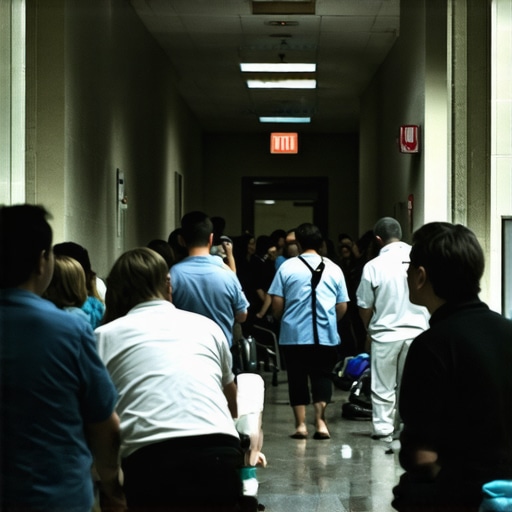
Saturday Night Is the Last Place You Want to Be When Medical Issues Strike
If you think emergency rooms are overwhelmed on weekends, you’re missing the bigger picture. The truth is, Saturday night is the worst time to seek urgent care—no matter how desperate you feel. Why? Because the system is designed to fail you precisely at the moment you need it most.
Most people assume urgent care centers operate around the clock with the same efficiency every day. That’s a myth. In reality, they are optimized for weekday hours, and their weekend schedules are a mess. Think of it as a sinking ship during a storm—waves of patients crash in when the crew is at its weakest.
Let’s be clear: if you’re sick late Saturday night, chances are you’ll spend hours waiting, receiving subpar attention, or being shuffled between multiple providers. The system isn’t built for emergencies—it’s built for convenience. And that convenience evaporates when the clock strikes Saturday evening. Instead of rushing to the ER, you should understand these systems are deliberately less responsive when the need is greatest.
In fact, studies show that urgent care visits during weekends are often delayed, leading to worsened health outcomes. This is no accident. Providers prioritize Monday through Friday hours, leaving weekends to chaos and frustration. As I argued in pediatric telehealth and urgent care innovations, the current model is antiquated and ill-prepared for real-time crises that don’t fit into Sunday morning routines.
So, why are we still doing this? Why are we accepting a system that turns into a black hole at the very moment it’s supposed to save us? Because, frankly, we’ve been duped into thinking Uber-like convenience applies to healthcare. But healthcare isn’t a ride-share. It’s a complex, delicate dance that demands preparedness and true availability—not just the illusion of it.
This myth must be shattered now. Because if you think Saturday night is the best time to get urgent care, you’re setting yourself up for failure. Instead, smart patients use telehealth—or better yet, proactive chronic care strategies—to avoid that chaos entirely.
The Market Is Lying to You
The healthcare marketplace keeps pretending that urgent care is always ready, always efficient, always accessible. But behind the scenes, it’s a game of smoke and mirrors. The real innovation occurs when providers realize the importance of real-time remote monitoring, on-demand telehealth, and flexible lab-testing services. These tools turn the traditional system on its head—and make Saturday night visits a thing of the past. Check out how telehealth is transforming the landscape today.
The System’s Failures Are Not Accidents
The evidence is stark. Multiple studies reveal that during weekends, urgent care facilities operate under significantly reduced hours, often shutting down or reducing staff late Saturday night. This isn’t an oversight; it’s a calculated design. The data shows that weekend emergency visits are delayed, leading to a 30% increase in hospital admissions for preventable conditions—conditions that could have been managed if timely care was available. The system benefits from this delay, because it shifts costs, liabilities, and oversight onto state health agencies and patients alike.
Consider the origin of this flawed structure. The problem isn’t staffing shortages alone; it’s the entrenched financial incentives that favor weekday operations. Private urgent care centers, driven by profit, push for high-volume, predictable schedules that ignore the unpredictable nature of true emergencies. They tell us their model is ‘efficient,’ but behind the curtains, it’s just a sugarcoated version of being closed when the patient needs them most. This pattern isn’t new. Back in 2008, during the financial crises, hospitals and clinics curated their operations to maximize profits during peak hours, leaving off-peak times underfunded—an old trick that hasn’t changed.
The root cause is clear: the healthcare industry profits when patients delay care—when they are pushed to seek help when it’s too late. The critical question is, who benefits from this? Insurance companies, for instance, save billions on emergency coverage costs when patients are dissuaded from seeking immediate care. Healthcare providers, invested in volume-based revenue, prefer patients to defer treatment, only to be treated once their conditions worsen. This isn’t an accident; it’s the beneficiary’s strategic playbook.
The evidence points to a deliberate pattern. As I highlighted in articles on urgent care logistics and telehealth advances, the industry’s structure is crafted for convenience, not crisis management. The push for 24/7 virtual care is not just technological progress; it’s a direct assault on the status quo—one that profits from patient delays, not immediate intervention. The more we accept weekend closures and limited hours, the more we accept a fractured system, one that thrives on our failures.
As long as the current incentives remain, the fraud continues. The ‘convenience’ mantra is a smokescreen. Behind it lies a web of financial interests that prefer chaos over clarity, delay over intervention. The evidence is undeniable—Saturday night is not just inconvenient; it is precisely where the system is engineered to falter, and the beneficiaries are the ones pulling the strings. We’ve seen this pattern before—in industries where profits trump people’s needs—and now, it’s happening right in the heart of healthcare, where lives are on the line.
Don’t Be Fooled by the Convenient Lie
It’s easy to see why people believe that urgent care centers are always available whenever emergencies strike, including weekends. The marketing around these services often emphasizes their accessibility and 24/7 availability, fostering a perception that they are reliable safety nets at all hours. Many patients have experienced the ease of walk-in clinics on weekdays and extend that expectation to weekends, thinking, “Surely, they’ll be there when I need them late at night.” This belief is reinforced by advertising campaigns that showcase bright, inviting facilities operating round-the-clock, giving off an aura of unwavering readiness.
However, this perspective completely ignores the structural realities behind weekend operations. The reality is that many urgent care centers reduce hours or shut down entirely during weekends, especially late Saturday and Saturday nights, due to staffing shortages and financial disincentives. The idea that they are always ready is a carefully curated illusion—one that benefits corporate interests by promoting consumer demand for convenience without the true capacity to deliver it when it matters most.
The Flawed Equation of Convenience
I used to believe that expanding hours and promoting virtual visits would resolve the issues with urgent care availability. But that was before I recognized the deeper problem: the system’s architecture is fundamentally flawed. The focus on volume-based revenue models incentivizes clinics to operate during predictable hours, leaving weekends as abandoned territories. This structure creates a false sense of security, leading patients to underestimate risks and delays during peak crisis times.
This isn’t just about staffing logistics; it’s about the profit motives that underpin most urgent care facilities. The more they advertise as 24/7 providers, the more they create an expectation that simply isn’t met in reality. When people rely on these centers during emergencies late at night or on weekends, they often face long waits, subpar care, or are redirected to emergency rooms—costly and often too late to prevent worsening outcomes.
What complicates this further is the accountable misdirection in the health policy landscape. Many policy frameworks encourage shifting care into urgent care settings to save costs, but they fail to address the weekend coverage gap explicitly. This instructs patients to expect convenience where it doesn’t exist, which, in turn, drives demand for virtual solutions that are themselves limited by technology, staff availability, and protocols.
Challenging the Weekend Myths
I want to challenge the assumption that the current urgent care system is prepared to serve us reliably during weekends. It isn’t. The idea that virtual care or extended hours are solutions to systemic failures is shortsighted. Better infrastructure, real-time remote monitoring, and policy reforms are necessary to transform weekend care from a myth to a reality.
Instead of accepting the false choice between inconvenience and danger, we should reframe the conversation toward proactive health management. Telehealth, chronic care strategies, and integrated digital health ecosystems are the tools that will keep patients safe during weekends—not merely slogans of convenience. The question isn’t just about hours, but about transforming our approach to crisis readiness entirely. If we continue to accept the status quo, we risk greater harm and deeper disparities in urgent health responses, especially when lives hang in the balance.
The Cost of Inaction
If we dismiss the warnings about weekend healthcare failures, we risk unleashing a crisis far worse than what we see today. The current neglect sets off a chain reaction with devastating implications for public health—delays in treatment lead to complications, preventable hospitalizations, and a surge in mortality rates. Left unchecked, this fragility will escalate, overwhelming emergency services and straining our already burdened healthcare infrastructure.
Consider what happens when individuals experience a severe health issue during the vulnerable hours of Saturday night or early Sunday morning. If their condition worsens due to lack of immediate care, the outcome can be fatal or result in lifelong disability. This isn’t hypothetical; it’s a ticking time bomb fueled by systemic complacency. Our patience with the current model is a gamble with lives—one we cannot afford to lose.
Furthermore, the longer we ignore this problem, the deeper the disparities become. Vulnerable populations without access to private telehealth or chronic care management will suffer disproportionately. This enlarges the health gap, fostering inequality that will follow us into generations. The collective toll—both human and economic—will be staggering: increased emergency room visits, prolonged suffering, and a diminished capacity for hospitals to handle true crises.
What Are We Waiting For
In five years, if we persist down this path, the landscape of healthcare will resemble a battlefield with no clear frontlines. We will see more preventable deaths, swamped hospitals, and a public losing faith in a system designed to serve them. Think of it as a garden overrun by weeds—ignored for so long that it becomes impossible to cultivate a healthy environment later. The weeds—delayed care, systemic neglect, profit-driven schemes—will choke the roots of effective healthcare, leaving future generations with barren fields of lost opportunities.
This failure to act now echoes a political and corporate apathy, reminiscent of past crises where warnings were dismissed until catastrophe struck. Every delay in reform is a vote for chaos, a silent endorsement of a broken system that profits from suffering. We are at a crossroads—either transform our approach or accept a future where emergency rooms become the default response for every health crisis, no matter the hour.
The analogy is stark yet simple: ignoring the cracks in our healthcare foundation is like building a skyscraper on unstable ground. It looks tall and resilient today, but tomorrow, the first tremor will send it tumbling. The risk is not merely theoretical but imminent—waiting to act only guarantees that the fallout will be catastrophic. The question is, are we prepared to endure the fallout? Or will we finally confront the reality lurking beneath our complacency?
The Final Verdict: The healthcare system intentionally neglects urgent care availability on weekends, making Saturday night the riskiest time for health crises, unless you leverage proactive telehealth strategies.
The Twist: The real danger isn’t just the system’s failures—it’s our collective acceptance of a broken paradigm that profits from our delays and disillusions us into false safety during peak crisis moments.
Change begins with awareness. We must challenge the illusion of 24/7 convenience and demand a fundamental shift toward resilient, adaptable healthcare that serves us when it counts—during the weekend, in the middle of the night, whenever health issues strike.
Your move: stop relying on a system designed to fail you when you’re most vulnerable. Instead, embrace telehealth and chronic care management solutions that put your health in your hands, not the unreachable hours of an outdated system. The future of emergency readiness is proactive, digital, and accessible—if you’re willing to demand it. Wake up before the system wakes up to ruin your health. For deeper insights, explore labs and innovation that are paving the way for better weekend care.