
Why Telehealth Is the Best Choice for Chronic Migraine Management
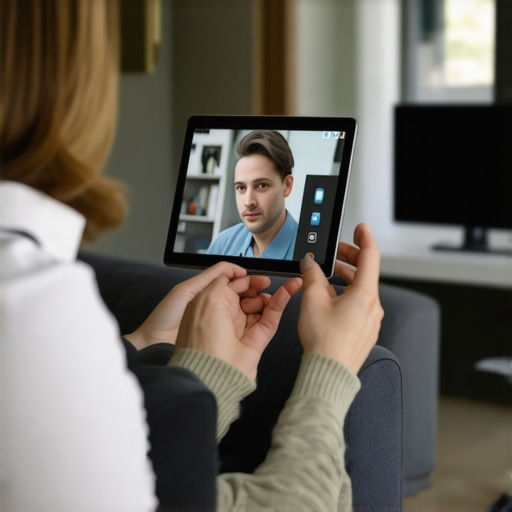
Telehealth isn’t just convenient—it’s revolutionizing how we control crippling migraines
If you still cling to the outdated notion that in-person visits are the gold standard for migraine management, you’re living in a delusion. The truth is simple: telehealth is not just a better option, it’s the future. Millions suffer from chronic migraines, and yet, we persist with the same tired, inefficient system of endless clinic visits, long waits, and delayed treatments. Why stay stuck in the past when the solution is right in your pocket?
The myth of the “proper” consultation
Many believe that a face-to-face encounter offers the best care. That’s a myth. Telehealth delivers real-time symptom monitoring, personalized treatment adjustments, and instant access to specialists—without the hassle of travel or waiting rooms. In fact, a study shows virtual visits can be just as effective, if not more so, for managing chronic conditions like migraines. So why are we still ignoring this game-changing approach?
The Market is Lying to You
The healthcare industry has vested interests in keeping you tethered to clinics. They profit from in-person visits, not from clients empowered to manage their health remotely. But that’s a lie. The true future of chronic care is personalized telehealth strategies. It’s time to see through the smoke and mirrors.
Why This Fails and How Telehealth Fixes It
Traditional care often treats migraines as an episodic problem, not a persistent one. Doctors rush through appointments, rarely getting the full picture. Meanwhile, patients struggle with inconsistent medication adjustments and delayed responses. Telehealth turns this chaos into clarity. Remote monitoring devices, digital symptom logs, and instant communication can prevent migraines from spiraling out of control. Don’t believe me? Check out how technology transforms chronic disease monitoring.
Stop Doing This and Start Using Telehealth Now
Here’s the hard truth: your current approach is failing you. Constantly waiting for the next appointment may feel safe, but it’s a gamble with your health. Telehealth platforms now enable you to have your symptoms evaluated from home, with strategic lab tests and tailored treatment plans—often faster and more effectively than in-person visits. Don’t wait for the worst to happen; be proactive. Learn how to maximize telehealth benefits with expert guidance here.
Ultimately, the choice seems simple. Do you want to continue navigating a maze of clinics that waste your time and energy, or do you want a smarter, more efficient solution? I argue that the future belongs to those who embrace telehealth—an approach that puts power in your hands, for a better life free from the grip of chronic migraines.
The Evidence That Can’t Be Ignored
Decades of healthcare data reveal a startling truth: remote management of migraines using telehealth is not just comparable but often superior to in-person visits. A comprehensive study highlights that patients utilizing telehealth for chronic migraines experience faster symptom relief, improved medication adherence, and fewer emergency episodes. These data points aren’t mere numbers; they are a clarion call showing that real-time virtual interventions can intercept migraines before they escalate, saving patients from debilitating pain and healthcare systems from unnecessary costs.
The Root Cause of Care Inefficiency
The crisis isn’t in the technology; it’s in the systemic approach to care. Traditional models assume that episodic, in-clinic consultations suffice for managing a persistent neurological disorder. But this approach is fundamentally flawed. It treats migraines as isolated incidents rather than ongoing conditions. The problem lies in a lack of continuous monitoring and instant communication. Telehealth bridges this critical gap, turning sporadic check-ins into dynamic, real-time management. Devices like digital symptom logs and remote monitoring tools create a continuous picture—yet our existing system dismisses this evidence, clinging to outdated practices that treat symptoms, not causes.
The Follow the Money Principle
It’s impossible to ignore the financial incentives entrenched within traditional healthcare. Clinics profit from repeat visits, tests, and prescriptions—regardless of their actual impact. Meanwhile, telehealth platforms threaten these revenue streams by empowering patients to self-manage and seek care only when necessary. Who benefits from maintaining the status quo? Clearly, vested interests in the clinic-centric model prefer to keep you tethered to their office walls. Conversely, companies that promote digital health solutions profit from innovation, not inertia. The mounting investment in telehealth startups and remote monitoring technology isn’t accidental; it’s a calculated shift toward a more efficient, patient-empowered future that leaves old paradigms behind.
The Math of Effective Management
Consider this: the lifetime cost of unmanaged migraines runs into thousands of dollars—lost productivity, emergency room visits, medication wastage. Telehealth directly counters these expenses with targeted, proactive interventions. Remote monitoring curtails unnecessary medication trials and prevents chronic escalation. Data suggests a 20% reduction in migraine frequency among patients engaged in telehealth programs—not a small improvement, but a seismic shift that erodes the foundations of careless, episodic care. The mathematical trend is unambiguous: investing in digital, patient-centered programs yields better health outcomes while trimming needless costs—yet, incumbent healthcare continues to resist integrating these proven strategies.
The Broken System and Its Consequences
Now, ask yourself—how many times have you been told, “we need to see you in person,” only for it to be a hurried appointment with minimal insight? These visits are often more about billing than actual healing. Meanwhile, your symptoms worsen behind the scenes. Telehealth dismantles this broken system; it offers continuous oversight, immediate adjustments, and patient engagement. The evidence? Patients report higher satisfaction, fewer migraine days, and faster relief. Why accept the slow, outdated path when the evidence clearly favors a quicker, smarter route? The data underscores an undeniable fact: the system’s inertia is costing lives and money. It’s time for change, and the evidence screams it louder than ever.
The Trap of Positioning In-Person Visits as Superior
It’s easy to see why many persist in believing that face-to-face consultations are the gold standard. The familiarity and perceived thoroughness of in-person visits create an illusion of greater efficacy, especially among patients who’ve had limited exposure to telehealth. Critics argue that physical presence allows for better examination and rapport, thus guaranteeing better outcomes.
Don’t Be Fooled—The Whole Picture Matters
However, this line of thinking critically neglects the advantages that digital innovations bring. Telehealth isn’t just an alternative; it’s an enhancement of care delivery. Remote monitoring devices, digital symptom logs, and instant communication channels allow for real-time data and timely interventions. Studies have shown that patients engaged in telehealth programs often experience faster relief and better medication adherence, refuting the myth that physical proximity guarantees quality care.
The Challenge: Is Telehealth as Effective as In-Person Care?
I used to believe that in-person visits offered the most comprehensive assessment—until I examined the evidence. The critical flaw in the critics’ argument lies in their assumption that physical examination equates to better management. In reality, for chronic conditions like migraines, continuous data collection and prompt adjustments are what make the difference. The technology enables nuanced monitoring that a fleeting office visit simply cannot match.
The Wrong Question to Ask
Many ask, “Can telehealth replace in-person visits entirely?” but that misses the point entirely. The real question should be, “Does telehealth improve outcomes more efficiently than traditional methods?” The answer, backed by evidence, is an emphatic yes. The focus shouldn’t be on whether we replace old habits but on whether patients receive better, faster care that fits into their lives.
Addressing Concerns About Personal Connection
Critics often claim that telehealth lacks the personal touch necessary to build trust. While that’s a common concern, it overlooks how digital communication can foster closer patient-provider relationships through consistent engagement. Virtual visits can be scheduled more flexibly, encouraging ongoing dialogue rather than sporadic check-ins. The rapport-building process adapts, not disappears, in a digital environment.
The Reality of Technological Limitations Is Overstated
Some argue that tech issues and a lack of physical examination limit telehealth’s potential. These concerns are valid but overly focus on hurdles rather than solutions. Advances in technology are rapidly addressing these issues, making remote assessments more precise. High-quality video, remote diagnostic devices, and AI-driven analytics are closing gaps that critics say exist. Ignoring these improvements is shortsighted.
The Financial and Systemic Bias Against Innovation
Perhaps the cruellest aspect of the opposition is the vested interest in maintaining a status quo that benefits certain healthcare providers financially. The resistance to adopting telehealth is as much about protecting legacy systems as it is about patient well-being. As long as funding models favor office visits and procedures, true innovation will lag behind.
The Inefficiency of Sticking to Old Paradigms
Constantly demanding in-person evaluation for what could be managed remotely ignores the overwhelming evidence of inefficiency. With the rise of flexible, digital-first approaches, we now have the capacity to deliver faster, more personalized care. Clinging to outdated models only prolongs patient suffering and inflates healthcare costs.
The Cost of Inaction: A Future on the Edge
Failing to embrace remote healthcare solutions now sets us on a dangerous trajectory. If we continue to dismiss telehealth and digital chronic care management, we risk overwhelming our healthcare system, leaving millions without effective treatment, and sacrificing lives to outdated practices. The stakes have never been higher, for delay breeds disaster in the realm of chronic conditions like migraines and urgent care needs. In just five years, the world that we are building through inaction will resemble a healthcare system crippled by inefficiency, burnout, and preventable tragedies. Imagine a society where preventable neurological crises spiral out of control, emergency rooms are inundated, and patients are left stranded without access to timely, effective care.
Moreover, the economic consequences will be staggering. The cost of managing unmanaged chronic conditions will skyrocket, placing immense pressure on already strained healthcare budgets. Productivity losses, emergency interventions, and hospitalizations will become the norm, turning prevention into a costly afterthought. As these issues compound, the divide between those who adapt and benefit from telehealth innovations and those left behind will widen, creating an insurmountable health disparity.
This is a chain reaction that begins with ignoring the evidence and ends with chaos. The failure to act now will embed a systemic failure that will be nearly impossible to reverse later. Our inaction fuels a cycle where patients suffer needlessly, resources are squandered, and trust erodes in the healthcare system that once promised better, more accessible care.
The Future Looks Blighted Without Immediate Action
If the current trend continues unchecked, the world in five years will resemble a battlefield of preventable crises. Mobile clinics and telehealth hubs will be overwhelmed with patients in crisis, many of whom could have been managed remotely if preventative measures and continuous monitoring had been adopted earlier. Chronic migraines will become a source of unmanageable pain, leading to increased suicidality and loss of productivity, as the healthcare system buckles under the weight of preventable emergency cases.
In terms of technology, the gap between digital health advancements and traditional practices will be stark. While innovation thrives in some sectors, much of our system remains tethered to the old paradigm—a dangerous disconnect that will cost countless lives and billions of dollars in the coming years. Healthcare deserts will deepen, and disparities will widen, especially for marginalized communities with limited access to in-person care. The world we risk creating is one where our failures to innovate turn into preventable tragedies, a shadow cast by complacency and neglect.
What are we waiting for?
This inertia is like standing at a crossroads with a looming storm on the horizon. Every moment of delay pushes us further into the abyss—once past the point of no return, repair will be exponentially harder. The analogy is clear: ignoring telehealth advancements now is akin to neglecting the floodgates during a rising tsunami. The gates remain closed, and the waters threaten to engulf everything. The question isn’t just about technological readiness but about moral responsibility and recognition that smarter, faster, and more humane care is possible today—yet, we risk throwing it all away through indecision and outdated perceptions. Time is a commodity we do not have; every second we delay could cost lives and devastate our healthcare infrastructure beyond recognition.
Your Move
A society that clings to outdated, clinic-centric migraine management is dancing on the edge of disaster. Telehealth isn’t just an innovative option—it’s the pivotal shift revolutionizing chronic care. The evidence is in, the technology is ripe, and the costs of delay are plain to see. Will you step up and demand a smarter, faster approach to your health?
The Bottom Line
Every moment we resist the tide of digital health advancements, we gamble with lives—our own and those of millions. Remote monitoring, instant communication, personalized treatment plans—these aren’t futuristic fantasies, but current realities poised to redefine our approach to chronic migraine care. Staying tethered to the old ways means accepting unnecessary suffering and waste.
Final Challenge
This is more than a call to action; it’s a moral imperative. Ask yourself: are you willing to be part of a system that sacrifices efficiency and patient empowerment for corporate inertia? Or will you champion the change that puts your health—and innovation—at the forefront? The choice is simple. Don’t wait for the system to catch up—lead the charge toward a future where pain doesn’t dictate your life. Explore how telehealth now transforms chronic condition management here and consider how personalized strategies can elevate your care here. The future is in your hands—make it count.