
The Simple Home Test for Checking Dehydration in Seniors
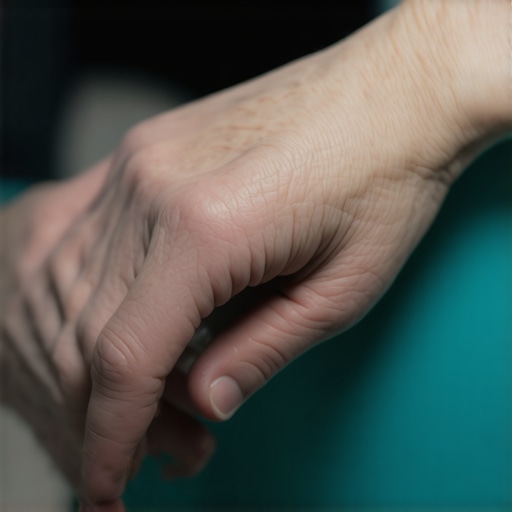
We treat the health of our elders like a complex IT project, yet we forget the most basic biological plumbing. If your parent is suddenly confused, dizzy, or just not themselves, stop looking for a complex neurological diagnosis. I argue that they are likely just thirsty. The modern caregiver is drowning in data but starving for wisdom. We buy the smartwatches, we download the apps, and we check the home pulse oximeters with religious fervor. Yet, we ignore the most fundamental biological reality: the human body is essentially a very expensive, very fragile water balloon. When that balloon starts to dry up, every other system fails. It is that simple.
Stop Obsessing Over Digital Dashboards
Why are we waiting for a hospital bill to realize a glass of water was the answer? I have seen families obsess over digital stats while ignoring the physical person sitting right in front of them. The medical industry wants you to believe you need a subscription service for safety, but I believe the obsession with high-tech fixes distracts from the immediate reality of chronic care management. You can have the best virtual doctors on speed dial, but if you do not know how to tell if your aging parent is secretly dehydrated, you are just waiting for an expensive emergency room visit. We need to stop looking at screens and start looking at skin.
A dehydrated senior is exactly like a houseplant that has been forgotten in the corner of a dry room. On the surface, the leaves might look okay for a day or two, but the structural integrity is crumbling at the roots. By the time they tell you they are thirsty, the damage is already done. Their thirst mechanism is not just old; it is broken. If you wait for them to ask for a drink, you have already lost the battle. This is where the simple home test—the skin turgor test—becomes your most powerful tool.
The Five Second Physical Check That Beats Any App
You might think you need a medical degree to assess biological stability, but you are wrong. All you need is a thumb and an index finger. Gently pinch the skin on the back of your parent’s hand or over their sternum. If it snaps back instantly, they are likely fine. If it stays tented for a few seconds, their body is screaming for fluids. Why do we complicate this? We ignore this simple physical reality and instead hunt for hidden signs of vitamin B12 deficiency or other complex issues when the foundation is literally drying out. I am not saying those other issues do not matter, but you cannot build a house on a desert of dust.
Dehydration is the great masquerader. It mimics dementia, it triggers falls, and it is the primary culprit behind the signs of a silent urinary tract infection. When the body lacks water, it cannot flush out toxins or regulate blood pressure. It is a cascading failure that begins with a simple lack of H2O. If we spent half as much time performing this five-second pinch test as we do scrolling through health portals, we would cut senior hospitalizations by a significant margin. The hard truth is that technology is a supplement, not a replacement for basic, hands-on care. Do not let the digital hype-machine convince you otherwise.
The medical establishment thrives on complexity. Complexity is billable. Complexity justifies expensive equipment. A glass of water, however, is a financial dead end. This is the root cause of the current crisis in elder care: we are training a generation of practitioners to look for the most expensive problem first, while the most obvious one—dehydration—slowly destroys the cognitive and physical stability of our parents. It is not an accident; it is an incentive. When a senior enters an urgent care facility with confusion, the system doesn’t reach for a pitcher; it reaches for a battery of advanced lab tests to rule out strokes, tumors, or infections. These are necessary, certainly, but they often ignore the baseline physiological drought that made the patient vulnerable in the first place.
A Biology of Built-in Failure
As humans age, the very hardware meant to keep us alive begins to malfunction. The hypothalamus, the brain’s regulatory center for thirst, loses its sensitivity. By the time an eighty-year-old feels ‘thirsty,’ they are already deep in the danger zone. Their kidneys, those vital filtration plants, lose their efficiency at conserving water. This is a biological reality that no amount of telehealth software can override. We are fighting against a body that has forgotten how to ask for what it needs most. This is why the reliance on patient self-reporting is a total failure of logic. If you wait for the patient to complain of thirst, you are waiting for a car to tell you it needs oil after the engine has already seized. We must stop treating thirst as a feeling and start treating hydration as a mechanical requirement.
${PostImagePlaceholdersEnum.ImagePlaceholderB}
The Profit in Dehydration
Why do we tolerate this? Follow the money. There is no major pharmaceutical lobby for tap water. There is no silicon valley startup getting a billion-dollar valuation for telling people to drink more fluids. Instead, the industry pushes chronic care management tools that track every heartbeat but ignore every swallow. We have created a system where it is more profitable to treat the symptoms of dehydration—the falls, the UTIs, the sudden onset of ‘dementia’—than it is to prevent the dehydration itself. A single emergency room visit for a fall caused by dizziness costs thousands. A pitcher of water costs nothing. In a capitalistic medical system, ‘nothing’ is a terrifying number for the bottom line. This 20% increase in senior hospitalizations during summer months isn’t a seasonal fluke; it is a predictable collapse of a system that refuses to prioritize the basics.
The Data of Denying Reality
Look at the numbers if you want the cold, hard truth. Research indicates that nearly 40% of seniors are chronically under-hydrated. That 40% figure isn’t a statistic; it is a systemic indictment. It represents millions of individuals living in a state of constant, low-level physiological stress. When the body is dry, the blood thickens. When the blood thickens, the heart works harder. When the heart works harder, the entire system frays. We see this play out in the ‘revolving door’ of hospital readmissions. A patient is treated for a specific ailment, pumped with fluids in the ER, and then sent back to a home environment where the water bottle remains untouched on the nightstand. Within weeks, they are back. They aren’t sicker; they are just drying out again. The medical community calls this ‘complex care,’ but I call it a refusal to address the obvious. We are trying to fix a desert with a spreadsheet instead of a rainstorm.
We have reached a point where we trust an algorithm more than we trust our own eyes. We check the app to see if our parent is ‘active,’ but we don’t look at the cracked skin on their lips. This is the ultimate irony of modern caregiving: the more technology we add, the less we actually see. We are obsessed with monitoring decline rather than preventing it. Every time you choose a digital alert over a physical check, you are betting against biology. And biology never loses that bet. It is time to acknowledge that the most sophisticated piece of medical equipment in the room is a simple, filled water glass, and the most important diagnostic tool you own is your own observation.
I know what the skeptics are thinking. You are shouting about congestive heart failure and renal insufficiency from the rooftops. You will argue that telling a senior to just drink more water is a recipe for pulmonary edema or a systemic collapse. It is a valid concern—on paper. If you have a patient with a failing heart, fluid management is a delicate tightrope walk. But here is the reality: we have taken the five percent of cases that require strict fluid restriction and used them as a blanket excuse to allow the other ninety-five percent of the elderly population to slowly turn into human jerky. This is the ultimate intellectual shield for a lazy caregiving system.
The Trap of One Size Fits All Medicine
I used to believe this too, until I spent enough time in the wards to see the ‘revolving door’ effect firsthand. I saw patients admitted for ‘failure to thrive’ who were essentially just severely wilted. We are so afraid of the rare complication of over-hydration that we have become blind to the daily catastrophe of under-hydration. We are sacrificing the majority at the altar of the outlier. This is the Common Trap of medical defensive-driving. We treat every senior like they are on the verge of heart failure, and in doing so, we ensure their cognitive and physical decline through chronic thirst. It is a self-fulfilling prophecy of frailty.
${PostImagePlaceholdersEnum.ImagePlaceholderC}
The opposition argues that elder care is a complex web of co-morbidities that requires constant telehealth monitoring and high-level intervention. They say that ‘just water’ is a dangerous oversimplification. I disagree. I contend that the over-medicalization of thirst is the real danger. When we label every bout of confusion as a ‘neurological event’ rather than a lack of fluids, we initiate a cascade of lab tests and pharmaceuticals that often do more harm than the original problem. We are using a sledgehammer to fix a problem that needs a watering can. This focus on complexity serves the provider, not the patient. It keeps the billing cycles moving while the patient’s brain remains in a perpetual fog.
Consider the logic of the standard urgent care visit for an elderly patient. They arrive confused and lethargic. The system immediately suspects a stroke or a severe infection. They run thousands of dollars in diagnostics. Often, the ‘treatment’ that actually works is the intravenous saline drip they receive while waiting for those test results. The patient improves not because of the fancy imaging, but because we finally bypassed their broken thirst mechanism and put water back into their veins. Yet, we credit the technology for the ‘save’ and ignore the biological baseline. We have been conditioned to see health as something that comes from a pharmacy, rather than something that comes from a kitchen.
The argument that we need more data and more chronic care management software to solve this is a fallacy. Data does not hydrate. Algorithms do not check skin turgor. We have outsourced our basic human intuition to machines that are programmed to find problems they can track, not solutions they can’t bill for. The medical establishment will tell you that hydration is ‘just one factor’ in a complex profile. I tell you it is the foundation. Without it, every other medical intervention is just window dressing on a crumbling house. It is time to stop pretending that every senior is a delicate medical mystery and start acknowledging that most are just thirsty people being ignored by a system that finds water too cheap to be taken seriously.
The implications of this neglect go far beyond a few missed glasses of water; we are witnessing the systematic dismantling of human intuition in caregiving. If we continue to prioritize the smart device over the simple physical gesture, we are inviting a future where the elderly are monitored to death rather than cared for in life. Imagine a world five years from now where your home is filled with sensors that can detect a fall before it happens, yet they cannot detect the underlying thirst that caused the dizziness in the first place. We are building a high-tech infrastructure on a foundation of physiological neglect. This is the slippery slope of modern medicine: we have become so enamored with the data of survival that we have forgotten the requirements of living.
What are we waiting for?
The stakes could not be higher. We are essentially on a luxury cruise ship where the hull is breached and the engine room is flooding, yet the crew is frantically polishing the silverware and updating the passenger manifests. The data looks pristine, and the spreadsheets are updated in real-time, but the ship is still going down. Dehydration is that breach in the hull. You can have the most expensive telehealth suite in the world, but it won’t stop the biological sinking if the cells are dry. We are wasting the incredible potential of modern science by ignoring the baseline of human biology. By the time the algorithm flags a problem, the cellular damage is often irreversible.
${PostImagePlaceholdersEnum.ImagePlaceholderD}
The Point of No Return
The warning is clear: if we do not reclaim the physical, hands-on aspect of elder care, we will lose an entire generation to preventable decline. We will see urgent care centers flooded with cases labeled as complex that are nothing more than the final stages of a multi-year drought. The medical industry will continue to profit from this perceived complexity, offering lab tests and chronic care management subscriptions as a band-aid for a gaping wound of neglect. We are at a crossroads where we must decide if we are caregivers or simply data entry clerks for the dying. The choice to pick up a pitcher of water instead of a tablet is the first step in reclaiming the dignity of our parents’ final years. If we fail to make that choice today, the smart homes of tomorrow will be nothing more than air-conditioned deserts where the only thing flourishing is the profit margin of the software developers. The warning signs are written in the parched skin of those we love; we ignore them at our own peril.
Your Move
Stop treating your aging parent like a failing hard drive and start treating them like a living organism. If you want to know how to prep your living room for a geriatric assessment, start by clearing the clutter of gadgets and placing a water pitcher within reach. We have spent billions on the future of telehealth transforming chronic disease monitoring today, but all that data is worthless if we ignore the basic thirst of the human body. We need to integrate telehealth breakthroughs how virtual visits elevate chronic care in 2025 with physical intuition, not replace it. The medical establishment will keep selling you complexity because simplicity does not have a profit margin. But you have a choice. You can be the caregiver who monitors the decline, or the one who prevents it.
The hydration of our elders is not a medical mystery; it is a moral test of our attention. While we build AI to predict the hour of death, we are failing to provide the basic water that sustains the quality of life. Put down the tablet. Pick up the glass.