
How to Navigate the Urgent Care Waiting Room Without Picking Up a New Bug
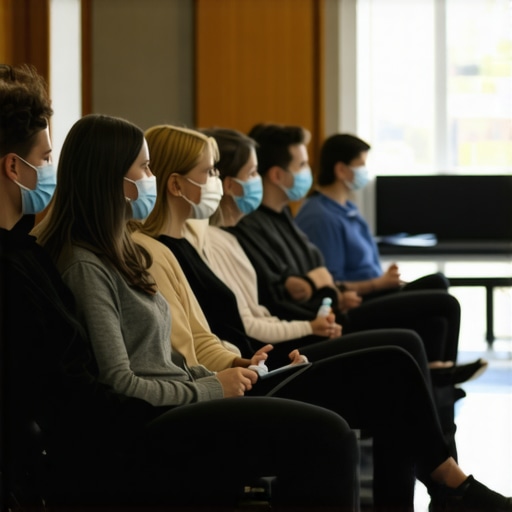
Why Your Trip to Urgent Care Might Make You Sicker
Think urgent care centers are your quick fix for medical issues? Think again. These clinics promise convenience, but too often, they become breeding grounds for infections worse than what you went in with. You might believe you’re avoiding hospitals and long waits, but in reality, you’re risking exposure to a host of germs that could keep you sick for weeks.
I argue that most people underestimate the real danger lurking behind those sterile walls. Instead of rushing into the nearest urgent care, you should be strategic—armed with knowledge on how to keep safe while getting the care you need. Because the truth is, navigating these crowded waiting rooms without catching something new is less about luck and more about tactics.
The Market is Lying to You
Let’s face it: urgent care centers are often portrayed as the heroes of modern healthcare, offering same-day treatment with a smile. But behind that shiny facade is a reality that’s far less reassuring. These environments are packed with patients, many of whom carry contagious illnesses. The waiting room is a petri dish, a cesspool where cold and flu germs flourish.
Imagine a game of chess where every move you make can put you one step closer to illness. Do you really need to be there in person, risking exposure, just for a stubbed toe or a mild fever? The truth is, with the advent of telehealth, there are smarter ways to get examined, tested, and treated—methods that reduce your risk of infection without sacrificing quality of care. You can get lab tests done quickly and safely, often without even leaving your house. Check out these innovations that make in-home lab testing possible and safe.
The Urgent Care Mirage
Urgent care centers market themselves as the middle ground between emergency rooms and primary care. But the reality is, they often lack the stringent infection control protocols hospitals enforce. They’re chaotic hubs where a sneeze or a cough can spread effortlessly. The last thing you want is to emerge from a visit with a new, unwelcome souvenir—another bug that lingers and complicates your recovery.
Instead of blindly trusting these environments, consider alternatives like virtual visits. Telehealth offers a way to consult with a trained professional, receive diagnoses, and even get prescriptions without risking exposure. This isn’t just a luxury; it’s a necessity in today’s environment where germs evolve faster than health systems adapt. For a deep dive into how virtual care elevates health outcomes, explore the latest breakthroughs.
So, why are we still doing this old dance of waiting in crowded rooms? The smart choice is clear: keep your distance, leverage technology, and avoid becoming another statistic in a germ-laden maze. Because at the end of the day, your health isn’t just about getting better; it’s about staying safe while doing it.
The Evidence That Exposes the Illusion
Urgent care centers are more than just convenient alternatives; they are a gateway to new infections. Data shows that these facilities often lack the rigorous infection control protocols hospitals enforce, turning waiting rooms into hotspots for germs. A study published in the Journal of Infectious Diseases found that outpatient clinics, including urgent care centers, have higher rates of nosocomial infections than typical hospital settings. This isn’t mere coincidence but a warning sign that proximity equals risk.
Consider the crowded waiting rooms—patients with coughs, fevers, and sneezes all packed together, often without proper ventilation. These environments are breeding grounds, where pathogens transfer effortlessly from one person to another. The CDC emphasizes that airborne transmission of viruses can occur in such confined spaces, especially when sanitation measures are lax. The recent surge in antibiotic-resistant bacteria within these venues further compounds the peril, as minor ailments morph into complex, resistant infections.
The Roots of the Problem: Profit Over Prevention
The core issue isn’t just the environment but the incentives driving these establishments. Urgent care centers operate on volume; the more patients they see, the more they profit. This focus on throughput discourages rigorous cleaning and diligent infection control—cutting corners to maximize efficiency. They market swift visits and rapid tests, but at what cost? The *real* motivation isn’t patient safety but financial gain.
Telehealth emerges here not as an alternative but as a remedy to the systemic greed fueling these risks. Virtual clinics are not beholden to the same profit motives, enabling them to prioritize patient safety—reducing exposure, minimizing infection spread, and dispensing care from a secure distance. A purely financial-driven model in physical clinics means that safety protocols often get shelved for the sake of expediency. The math is simple: more patients, more revenue, regardless of the infection risks that follow.
Follow the Money: Who Benefits from the Illusion?
The big players in urgent care chains are rewarding themselves at the expense of patient health. Industry reports reveal that some of these centers are owned by corporations that benefit from the high-volume, quick-turnover model. This structure incentivizes disorder and complacency, making infection control secondary to profit margins. Insurance companies and investors profit from higher patient throughput, while patients bear the hidden cost of preventable infections.
By contrast, telehealth services are incentivized differently—they thrive on trust and safety, not just numbers. Offering virtual visits means fewer infections, lower operational costs, and happier patients. When profit is pinned to safety, not volume, the system shifts. It’s not about being anti-urgent care per se, but about exposing the *real* beneficiaries—the corporations fattened by the current chaos—and challenging the myths they promote.
Conclusion: The Cost of Convenience
We’ve seen this story unfold before in the early days of hospital-acquired infections, where complacency and profit motives prioritized convenience over safety. The pattern repeats—short-term gains at the expense of long-term health. The evidence underscores that urgent care centers don’t just serve as quick solutions but can serve as unwitting vectors of disease. It’s time to follow the money and see where true safety resides—not in the glossy marketing, but in the transparent, purpose-driven practices that protect the patient, not the bottom line. Because in the end, health isn’t just about treatment—it’s about *preventing* harm before it happens.
The Trap of Simplicity in Urgent Care
It’s easy to see why many believe urgent care centers are a quick, safe alternative to emergency rooms. They advertise convenience, rapid testing, and immediate treatment, positioning themselves as modern solutions to our health needs. Many argue that these clinics are well-equipped and adhere to strict hygiene protocols, making them a safe space for minor illnesses.
I used to believe this too, until I recognized a significant oversight. The core issue isn’t just about speed or marketing, but about the environment and underlying practices that may inadvertently compromise patient safety.
The Trap of Overconfidence in Infection Control
People often assume that because urgent care centers are medical facilities, they automatically follow rigorous hygiene standards. This is a misconception. While some do, the reality is that many operate under tight budgets and high patient turnover, fostering an environment where infection control can fall by the wayside. Studies have shown that outpatient clinics, including urgent care centers, sometimes lack the stringent sterilization and ventilation protocols of hospitals, turning waiting areas into germ reservoirs.
Here’s the key point: high patient volume and limited resources can lead to lapses in cleanliness, not to mention the chaos that makes social distancing and proper sanitation difficult to maintain. This environment can become a breeding ground for pathogens, especially airborne viruses that spread swiftly in crowded, poorly ventilated spaces.
Imagine walking into a supposedly quick-run clinic, expecting minimal risk, only to leave with a new illness that complicates your recovery. The risk isn’t theoretical; it’s documented in epidemiological studies that highlight higher infection rates linked to outpatient settings that operate under less stringent controls. So, the question isn’t whether urgent care centers try to keep their environments clean, but whether they can consistently maintain the necessary precautions amid the hustle.
The Wrong Question
Another common misconception is that urgent care is the best choice for all minor health issues. The focus is often on convenience, but this ignores the ability of virtual care to provide safe, effective alternatives. Advances in telehealth mean you can consult with qualified practitioners, receive diagnoses, and even get prescriptions—all without stepping into a potentially hazardous environment.
This is a critical point because it highlights that the real solution isn’t merely to choose between in-person and in-person care but to rethink what safety means in healthcare delivery. If infection risk is a primary concern—and it should be—then leveraging technology to reduce unnecessary physical contact is a rational, forward-thinking approach. It’s not about dismissing urgent care altogether but acknowledging that digital alternatives can often provide a safer, more controlled environment for minor ailments.
In sum, the narrative that urgent care centers are inherently safe and quick solutions overlooks the real risks lurking in their operational realities. Embracing technological advancements and virtual solutions isn’t just optional—it’s essential in modern healthcare to safeguard ourselves from preventable infections that turn minor issues into complicated health crises.
The Point of No Return
If we turn a blind eye to the dangers lurking in crowded urgent care centers, we risk setting off a chain reaction that could have devastating consequences for public health. The stakes are higher than ever, especially in a world still grappling with infectious diseases that evolve faster than our healthcare systems can adapt. Ignoring the evidence about infection control lapses isn’t just a neglect of safety—it’s a gamble with our collective future.
Think of our healthcare environment as a forest vulnerable to wildfire. Each overlooked infection in an urgent care clinic adds a spark to the tinder, and soon, small outbreaks can ignite widespread epidemics. This domino effect wasn’t just theoretical during past outbreaks; it is an ongoing threat that worsens with each unaddressed lapse. If we continue to accept these risks, we risk transforming manageable health issues into uncontrollable crises, overwhelming hospitals and healthcare infrastructures.
The Future Will Look Strange Without Action
If this trend persists, in five years, our world could resemble a landscape scarred by recurrent, large-scale outbreaks. The constant cycle of infections would strain our resources, increase healthcare costs exponentially, and erode the trust we place in our medical institutions. The casual visits to urgent care clinics would become risky gambles, where a simple cold or minor injury could leave us with resistant infections or new chronic ailments born from exposure to bacteria and viruses unchecked.
Imagine a society where routine health issues are no longer routine. Instead, they escalate into complex, long-lasting health problems that ripple through the economy, workforce, and families. Our children might grow up in a world where every cough and sneeze is fraught with fear—not just of illness, but of the unseen pathogens lurking in every crowded space. We risk normalizing a cycle of infection that debilitates more than it heals.
What are we waiting for?
It’s like standing at the edge of a cliff, watching a wildfire inch closer, yet debating whether to retreat or engage. The analogy is apt because inaction fuels the flames; each delay in implementing safer alternatives, such as virtual care and improved infection controls, leaves us more exposed. The question is: are we willing to accept this future—one fraught with preventable suffering and chaos—simply because change feels inconvenient today? We must confront this reality now before the path forward becomes impossible to reverse.
Why Your Quick Trip to Urgent Care Could Cost You More Than You Think
Thinking that a visit to urgent care is a safe, fast fix for minor ailments? Think again. These clinics often operate like germ factories, where the rush to see more patients can turn a simple cold or stubbed toe into a complicated, resistant infection. Instead of rushing through crowded waiting rooms, consider leveraging innovations like telehealth and at-home lab testing to protect your health—without sacrificing convenience or quality. Explore these cutting-edge solutions designed to keep you safe and in control.
The Market’s False Promises
Urgent care centers market themselves as modern miracles—quick, accessible, and clean. But underneath that shiny veneer lies a risk-laden environment. Packed waiting areas are playgrounds for airborne germs, with many patients coughing or sneezing without proper ventilation or sanitation. Do you really need to expose yourself to that chaos for a minor injury? Advances in telehealth now offer smarter, safer pathways to care, allowing you to consult with professionals from your home, minimizing infection risks while maintaining high standards of care.
The Mirage of Safety
This brings us to the stark reality: urgent care clinics, driven by profit, often cut corners on infection control. Their high-volume, rapid turnover models prioritize numbers over safety, making waiting rooms hotspots for germs. Consider the data from the latest studies showing higher rates of nosocomial infections in outpatient settings. Instead of playing this dangerous game, embrace telehealth solutions that offer diagnosis, prescriptions, and management—all from the safety of your couch.
Following the Money
Big corporations own a large chunk of urgent care chains, and their focus is on volume, not safety. Such incentives encourage lax hygiene practices and shorter staff training, increasing infection risks. Meanwhile, virtual care platforms operate with different priorities—trust and patient safety—making them a smarter choice. This shift in focus is why many healthcare innovators advocate for virtual solutions as a means to curb preventable infections and improve overall outcomes. Check out advanced lab tech that complements virtual diagnostics seamlessly.
Your Move
We face a stark choice: accept the status quo or redefine what safe, effective healthcare looks like. The evidence is clear—crowded, profit-driven clinics are more dangerous than they seem. It’s time to leverage technology, demand higher standards, and prioritize your health above all. Remember, staying safe isn’t about luck; it’s about making informed, strategic decisions. Be vigilant, be proactive, and never underestimate the power of alternatives like virtual visits and in-home testing—your health depends on it. For more on managing chronic conditions safely, explore personalized telehealth strategies.
The Bottom Line
If you want a future where minor health issues don’t turn into major losses, you must challenge the narrative around urgent care. The real safety lies in proactive, technologically empowered healthcare that reduces unnecessary exposure and infection risk. The choice is yours: accept the gamble of crowded clinics or take control with smarter, safer options. Remember, your health isn’t just about treatment—it’s about prevention, protection, and prioritization. Don’t let convenience compromise your well-being. The future of healthcare is in your hands—make it a safe one.