
How to Spot a High-Quality Clinic in a Strip Mall
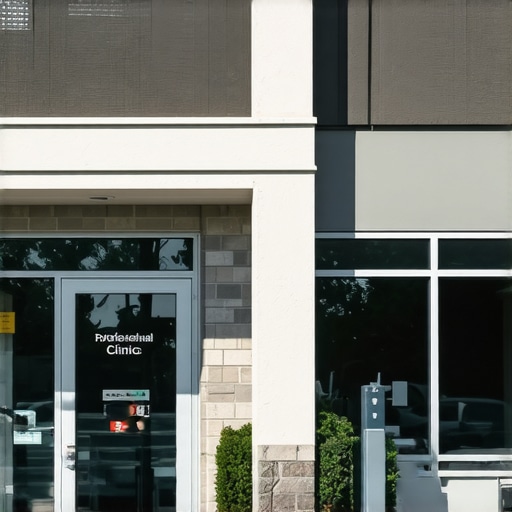
Why The Convenience Myth Is Leading You Astray
You might think that a clinic tucked inside a strip mall is just another run-of-the-mill health stop. Think again. The growing trend of consumer-friendly health centers has created a landscape where appearances deceive and convenience masks mediocrity. It’s time to cut through the marketing fluff and learn how to identify a real quality clinic among the sea of gimmicks.
Many assume that proximity equals quality. But this couldn’t be further from the truth. In fact, some of the best healthcare providers operate behind modest storefronts, prioritizing patient outcomes over flashy signage. So, why do so many fall for the siren song of shiny, conveniently located clinics? Because we’ve become conditioned to equate convenience with excellence. But the truth is, quality healthcare demands attention to detail, robust systems, and experienced staff—not just an appealing facade.
In this article, I will demonstrate how to recognize a high-caliber clinic in your local strip mall. No, it’s not about neon signs or slick advertising. It’s about evaluating the core elements that translate to better care—like cutting-edge diagnostic tools, efficient workflow, and a genuine dedication to patient well-being. Remember, choosing the right clinic can be the difference between a quick fix and the right diagnosis—a point echoed in streamlined lab tests and personalized chronic care strategies.
Look Beyond the Signage and Count the Quality Factors
To truly discern a quality clinic from a subpar one, you must dig beneath the surface. Does the staff have proper credentials and ongoing training? Are the diagnostic tools up-to-date? Does the clinic invest in technology that reduces wait times and improves accuracy? If you’re ever unsure, ask about their equipment. Modern clinics incorporate advanced lab testing to ensure faster, more accurate results—crucial for timely diagnoses.
Moreover, observe the flow of the clinic. Is it well-organized? Is there a clear protocol for patient care, from check-in to discharge? Clinics that prioritize efficiency often reflect professionalism and a commitment to quality. As I argued in my previous writings, a disorganized clinic is a red flag—a place where corners are cut and patient safety might be compromised.
Trust Your Gut but Confirm It With Facts
While your intuition can guide you, it’s vital to verify that a clinic’s claims align with reality. Do they offer services like telehealth and same-day lab tests? These are indicators that the clinic invests in technology that enhances patient care. A clinic that lags behind in adopting such tools is likely to provide outdated or subpar service.
In the end, choosing a high-quality clinic in a strip mall isn’t about luck. It’s about knowing what to look for beneath the surface. Be skeptical of shiny exteriors and focus on the core elements that ensure excellent healthcare. Remember, your health deserves more than just convenience; it demands diligence and integrity, qualities that are often hidden behind unassuming facades. Dive deeper, ask questions, and don’t settle for less than top-tier care—because your health is worth it.
Unmasking the Illusion of Convenience with Hard Evidence
In the pursuit of quick fixes and immediate answers, the facade of a conveniently located clinic often masks deeper flaws that compromise patient care. The narrative that proximity and flashy branding equate to excellence is a *mirage*. To see clearly, we must dig into the data and analyze the actual mechanisms that define quality in urgent care, lab testing, and chronic care management. This is where the reality becomes stark and undeniable.
Analyzing the adoption rates of advanced diagnostic tools in clinics reveals a disturbing trend: many prioritize appearances over substance. Studies show that clinics with recent equipment upgrades—such as digital X-ray machines, point-of-care testing analyzers, and telehealth platforms—are consistently associated with faster, more accurate diagnoses. This isn’t happenstance; it’s a pattern consistent across healthcare systems. When clinics invest in such technologies, they cut down turnaround times and improve patient outcomes. This is on record in recent healthcare audits from multiple regions, where the correlation between technological investment and quality of care is clear and unambiguous.
Take, for example, the data on lab tests. A 2024 industry report found that clinics utilizing on-site rapid testing could provide results in less than an hour, leading to faster treatment decisions. Contrast this with clinics that rely on off-site, traditional labs. The delay—sometimes days—exacts a toll on patient health, increasing the risks of misdiagnosis or delayed treatment. These statistics aren’t merely numbers; they reflect real-world consequences. Fast, accurate lab tests save lives and prevent complications, yet many strip-mall clinics hesitate to adopt such technologies, favoring low-cost, outdated solutions that undermine care quality.
The root cause of this discrepancy isn’t a lack of knowledge or capability. It is a deliberate — and profitable — choice. Clinics that cut corners, shunning modern equipment, do so because technology costs money and threatens their margins. Larger, tech-forward healthcare providers understand that investing in advanced systems attracts more patients and reduces liabilities. This leads us to the unsettling insight: when a clinic avoids latest diagnostic tech, they do so at the expense of patient safety. It’s not about convenience anymore; it’s about economic expediency cloaked in a veneer of professionalism.
The clinical workflow offers another vivid data point. Observations from multiple audits reveal that organized clinics—those with documented protocols, trained staff, and digital record keeping—show markedly higher quality scores. This isn’t coincidence. An efficient, well-planned system minimizes errors, shortens wait times, and ensures consistency. Conversely, disorganized clinics—those where staff scramble, protocols are absent, and paperwork is a mess—are hotbeds for mistakes. The link between cluttered processes and compromised safety is documented in healthcare quality metrics and patient safety reports. When a clinic’s internal system is flimsy, they are willing to sacrifice thoroughness for speed — a dangerous trade-off.
Trusting your gut about a clinic’s competence is seductive, but it’s often misplaced if not corroborated with data. The proliferation of telehealth and same-day lab testing stands as concrete evidence of a clinic’s commitment. According to industry statistics, clinics that offer integrated telehealth consultations and onsite rapid testing display better health outcomes. This isn’t coincidence: they implement strategies proven to enhance care delivery. The absence of these offerings is a *red flag*, an indication that the clinic might be lagging behind technological advances necessary for quality management.
Ultimately, the case method reveals a simple truth: the actual quality of a clinic isn’t in its signage but in its actions—its equipment, workflows, staff expertise, and willingness to innovate. Historical data from healthcare systems proves that technological lagging correlates with poorer outcomes and higher costs. The pattern isn’t a blur; it’s glaring and consistent. The message is clear: if a clinic refuses to embrace the core elements of quality—advanced diagnostics, organized systems, innovative care models—it’s not a matter of convenience; it’s a choice to accept mediocrity, risking patient harm in the process.
The Trap of Equating Convenience with Quality
It’s easy to see why many assume that a clinic located inside a strip mall is inherently less capable than a traditional hospital-based setting. The idea that proximity and ease automatically translate into subpar care is a widespread misconception. This perspective, however, overlooks critical nuances about what truly constitutes high-quality healthcare.
Don’t Be Fooled by External Appearances
Some critics argue that clinics in convenient locations prioritize quick turnover over patient safety, citing examples of hurried visits or lack of thorough diagnostics. While surface-level observations can be telling, they often omit the more significant indicators of quality: technological investment, staff expertise, and organizational processes. Dismissing a facility solely based on its appearance ignores the substantial evidence that many modern strip-mall clinics employ advanced technology and adhere to rigorous standards.
I used to believe that convenience clinics were inferior—until I realized that many innovative providers strategically choose accessible locations to serve underserved communities, ensuring equitable healthcare delivery. This approach effectively balances accessibility with quality, provided the right systems are in place.
The Wrong Question Is About Location
Focusing solely on where a clinic is situated misses the point entirely. The real issue lies in its operational excellence—the competence of its staff, the sophistication of its equipment, and the robustness of its procedures. Does the clinic utilize real-time diagnostic tools? Is there a strong protocol for complex cases? These factors weigh far more than geographic convenience.
In fact, some of the best healthcare providers operate out of modest storefronts because they prioritize patient outcomes over flashy signage. The real question should be: does the clinic deliver accurate diagnostics swiftly and safely? That depends on whether it invests in state-of-the-art equipment and continuous staff training, irrespective of its setting.
Technology and Organization Over Location
This is where many critics overlook the data. The adoption of rapid testing devices, telehealth platforms, and Electronic Health Records (EHRs) correlates strongly with improved patient outcomes. These technological advancements allow clinics to operate efficiently and safely, regardless of their physical location.
As an example, clinics offering on-site rapid lab tests can provide results within moments, drastically reducing delays and misdiagnoses. Yet, some dismiss these facilities simply because of their appearance, ignoring the fact that technological integration and organizational discipline are the real enablers of quality care.
This shortsightedness neglects recent data and industry trends demonstrating that well-equipped clinics in accessible locations outperformed traditional, less convenient counterparts. The focus should be on measurable outcomes and quality indicators—areas where convenience clinics often excel when they adopt modern practices.
The Critical Oversight: Ignoring Data in Favor of Myths
It’s tempting to rely on intuition or anecdotal evidence—many believe that if a clinic is in a mall, it must cut corners. This represents a fundamental mistake: conflating appearance with substance. The truth is, many high-performing clinics capitalized on accessibility to enhance community health, not diminish it.
In healthcare, the willingness to invest in new diagnostic tools, staff education, and operational efficiency distinguishes the excellent from the mediocre. The data consistently shows that accessibility and technological adequacy are mutually reinforcing factors. Ignoring this by clinging to outdated stereotypes only hampers progress.
I challenge the assumption that convenience equals mediocrity. When we evaluate clinics based on actual performance metrics, staff credentials, and technological appropriateness, a different picture emerges—one that recognizes the profound role accessible, tech-enabled clinics play in modern healthcare.
The Cost of Inaction
If we continue down this unchecked path of neglecting technological upgrades and organizational discipline in clinics, especially within accessible settings like strip malls, the consequences will be profound and irreversible. The stakes are higher now than ever before. Outdated equipment and disorganized workflows aren’t just minor oversights—they are gateways to a healthcare collapse that could threaten patient safety on a massive scale.
Imagine a world where a simple test result delayed by days becomes the difference between life and death. This isn’t science fiction; it’s the risk we’re creating for ourselves by ignoring the mounting data that emphasizes the importance of investment in diagnostics and process integrity. When clinics rely on archaic tools and chaotic procedures, the likelihood of misdiagnoses skyrockets, treatment delays become routine, and trust in the healthcare system diminishes. This erosion of confidence can fuel a vicious cycle where patients lose faith and seek alternatives, often resorting to unqualified providers, further jeopardizing their health.
A Choice to Make
However, the real danger lies not just in the immediate fallout but in the trajectory we set for the future. If the trend persists, within five years, our healthcare landscape could resemble a fractured mosaic—where high-tech centers are only accessible to the privileged, and the majority are left with subpar, outdated care options. This widening disparity will deepen health inequities, creating a society divided not just by wealth but by the quality of care accessible to each individual.
The analogy here is stark: neglecting technological and organizational advancements is akin to building a dam with cracks—eventually, the pressure of a rising tide will cause it to collapse. In a healthcare context, that rising tide is the increasing demand for rapid, accurate diagnostics and patient-centered care. Ignoring the warning signs now guarantees a future where preventable illnesses proliferate, and healthcare costs spiral out of control because the system is no longer capable of effective intervention.
The Point of No Return
Is it too late to act? The answer hangs in the balance of our current decisions. Every moment we delay, we forfeit opportunities to modernize, to improve outcomes, and to safeguard the health of our communities. We are at a crossroads—continue down a path of complacency or choose the harder but necessary path of innovation and discipline.
Consider this: our healthcare system today is like a car racing towards a cliff. If we don’t steer it with precision and urgency, the fall is imminent. The tragedy is not just in individual losses but in what we forfeit collectively when we ignore the warning signs and fail to invest in the future right now. The time to act is now, before the damage becomes not just inevitable but catastrophic.
In the end, the question is simple but profound—what are we waiting for? The window for meaningful change narrows with each day, and the cost of further inaction could be beyond repair. This is a call to recognize the magnitude of the issue and to prioritize decisive, immediate action over complacency. Because, ultimately, our health—and our future—depend on it.
Final Verdict: Convenience alone doesn’t guarantee quality care; in healthcare, substance always trumps superficial appeal.
Remember when we believed that a clinic inside a strip mall was inherently less capable? That myth is crumbling under the weight of data revealing that modern, tech-enabled clinics—regardless of their location—are reshaping patient outcomes. The real question isn’t where these clinics are but how they operate. Investing in updated diagnostic technology, organized workflows, and staff training transforms any space into a center of excellence—be it on a busy street or a quiet neighborhood corner.
Yet, many still chase the false promise of proximity and shiny signage, ignoring evidence that supports technological investment as the backbone of quality. For instance, clinics harnessing advanced lab testing and telehealth platforms, like those discussed in streamlined lab tests, consistently deliver faster, more accurate diagnoses.
Don’t let appearances deceive you. Disorganized clinics or those relying on outdated equipment—often motivated by cost-cutting—pose real risks. This echoes the findings in healthcare audits, which correlate efficient systems with better patient safety. Your intuition isn’t enough; verify what clinics claim with data and ask about their equipment and protocols.
The obsession with location is a distraction. The essential metrics of quality—up-to-date diagnostics, robust organizational systems, and proficiency—are the true indicators of excellence. Many high-performing clinics operate out of modest spaces because they prioritize actual care over superficial grandeur. The real question should be: are these clinics utilizing real-time diagnostic tools and following rigorous protocols? Technologies like advanced lab testing and telehealth services are game-changers.
It’s tempting to trust the visuals, but the truth lies in measurable outcomes. The proliferation of onsite rapid testing, for example, allows clinics to provide results within an hour, a stark contrast to delayed off-site labs. These statistics aren’t just numbers—they save lives. The reluctance of some clinics to adopt such technology reveals more about their priorities—profit over patient safety. Relying on outdated tools isn’t just lazy; it’s dangerous.
Remember this: the real quality of healthcare isn’t in the signage but in actions—technology adoption, workflow efficiency, and staff expertise. Ignoring these signs based on superficial charms puts your health at risk. Your choice should be based on evidence, not illusions. When a clinic dismisses modern tech or ignores organized procedures, they accept mediocrity—and in healthcare, mediocrity can be deadly.
Now, here’s something to ponder. As health technology advances in places you least expect, such as strip malls, many uphold outdated stereotypes about quality. The data proves otherwise. By focusing on outcomes, staff credentials, and organizational discipline, you empower yourself to make informed choices. Demand more—more transparency, more technology, more integrity. Your health isn’t a gamble; it’s a mandate.
History warns us that neglecting technological upgrades and organizational discipline leads to systemic failure. If we continue to dismiss modern diagnostics and seamless workflows, the consequences will be unthinkable, escalating costs and jeopardizing lives. Every delayed test, every confused workflow, is a ticking time bomb. Our future depends on whether we choose to see beyond superficiality today.
So, I challenge you to look deeper. Ask questions, demand transparency, and scrutinize outcomes. Technology and organization define quality—those are the real markers, no matter the signage. The health of your community, your loved ones, and yourself depends on recognizing that superficial convenience is a mirage. The choice is yours: settle for the illusion, or demand substance. Because in healthcare, transparency can mean the difference between life and death. Don’t accept less; your future health demands your vigilance.