
The Best Time of Day to Book Your Urgent Care Visit
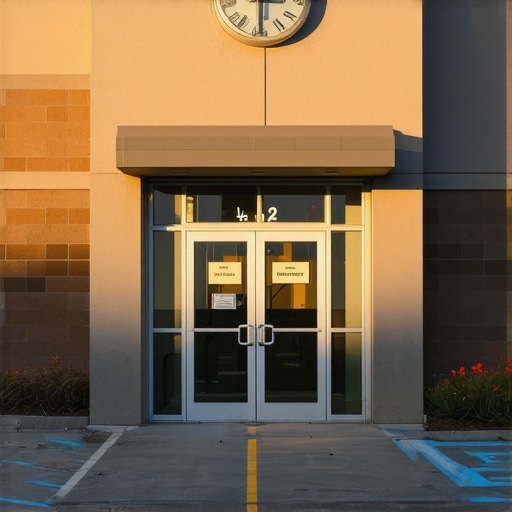
Your 8 AM Urgent Care Run is a Calculated Disaster
You have been lied to. For years, the conventional wisdom has dictated that if you want to beat the system, you have to be the first person standing outside the glass doors of the urgent care clinic at sunrise. You think you are being efficient. You think you are winning a race against the sick and the injured. You are wrong. In reality, you are walking straight into a high-speed collision of overnight emergencies and bureaucratic bottlenecks. I argue that the cult of the early bird is the single greatest reason why our waiting rooms are dysfunctional, germ-ridden pits of despair.
Is your time really so worthless that you are willing to spend three hours in a plastic chair just to say you were first? Booking an urgent care visit is like playing a rigged game of musical chairs where the music never actually stops—it just slows down until you are left standing in a room full of coughing strangers. You might think that arriving at opening time guarantees a quick exit, but you are forgetting that every other person with a smartphone and a minor fever had the exact same thought at 3:00 AM. When the doors open, the staff is not ready for you; they are drowning in the backlog of the night before.
The Morning Rush is a Sinking Ship
Stop following the herd. The medical system is a machine that prioritizes triage, not your personal schedule. If you show up at 8:00 AM with a minor concern, you are at the bottom of a very long, very stressed-out list. I have seen how patients sabotage their own recovery by insisting on peak-hour visits. Instead of fighting for a spot in the morning chaos, you should be looking for the gaps in the system that actually respect your autonomy. I strongly believe that the Tuesday morning trick for zero urgent care wait times is the only sane way to handle a non-emergency. While the Monday morning crowd is fighting for air, the savvy patient waits for the mid-week lull.
Why do we do this to ourselves? It is a psychological compulsion to ‘fix’ the problem as soon as the sun comes up. But by rushing in, you are actually increasing your risk of secondary infection. You are literally paying to sit in a petri dish. If you must go, you need to know how to navigate the urgent care waiting room without picking up a new bug, because the morning rush is when the viral load in that lobby is at its absolute peak. The air is stagnant, the staff is caffeinated but weary, and the person next to you is definitely not covering their mouth.
If your situation is truly urgent, you do not need a clock; you need a strategy. I am not talking about gaming the system for fun; I am talking about survival in a bloated healthcare market. There is a specific type of triage move that skips the line for minor stitches, but most people are too busy staring at the 8:00 AM waiting list to even ask about it. We have become a society that values the appearance of speed over the reality of care. We would rather wait two hours for a five-minute consultation at dawn than wait twenty minutes for a twenty-minute consultation at 2:00 PM. It is irrational, it is counter-productive, and it is exactly what the clinics expect from you. Break the cycle. Stop being a statistic in the morning rush and start booking like someone who actually values their health—and their time.
The Myth of the Clean Slate
Let’s dismantle the primary lie: the idea that 8:00 AM represents a “fresh start.” It does not. In the world of clinical logistics, the morning opening is actually the cleanup phase for the previous fourteen hours of digital chaos. While you are standing outside shivering with your clipboard, the staff inside are not sipping coffee and preparing for your arrival. They are wrestling with a backlog of lab results that flooded the server at midnight, responding to frantic messages from the on-call service, and trying to figure out why the electronic health record system is performing a mandatory update. They are already behind before the first door is even unlocked. The clinic does not start at zero; it starts in the red. You are not the first priority; the overnight administrative debt is.
The Administrative Seizure
The problem isn’t the number of people in the room; the problem is the administrative startup cost of the day. Every single patient arriving at opening requires a full intake—insurance verification, co-pay processing, and the ritualistic interview. When twenty people do this simultaneously, the system does not just slow down; it suffers a total seizure. Consider the cascade effect. Research into clinical throughput shows that a ten-minute delay in the first three appointments of the day results in a compounding wait time that swells to nearly ninety minutes by lunchtime. That isn’t a minor dip in performance; it is a structural collapse. By 8:30 AM, the clinic is already operating at a deficit it cannot recover from until the late afternoon lull. You are walking into a trap designed by poor logistics.
${PostImagePlaceholdersEnum.ImagePlaceholderB}
The Viral Saturation Point
We need to talk about the air you are breathing. You think the clinic is cleanest at 8:00 AM because the janitor was there overnight. This is a dangerous misconception. The ventilation systems in most urgent care centers are designed for average occupancy, not the peak-load surge of the morning rush. When you pack thirty symptomatic people into a sealed lobby at sunrise, you are creating a high-density bio-aerosol event. The viral load in that room at 8:15 AM is significantly higher than it is at 2:00 PM when the crowd has thinned and the HVAC system has actually had time to cycle the air. You are essentially paying a co-pay to sit in a concentrated cloud of whatever the person three chairs down is coughing up. It is irrational. It is dangerous. You are trading a shorter wait for a higher probability of leaving with a new infection.
The Staff Fatigue Paradox
There is a persistent belief that the morning staff is fresh. This is a hallucination. The morning shift is often composed of people who have been awake since the pre-dawn hours, battling traffic to be there for your “emergency” sore throat. They are caffeinated, yes, but they are also in a state of high-cortisol survival mode as they stare down a lobby full of angry, expectant faces. Mistakes happen in the morning because of pressure, not just exhaustion. The rush to clear the room leads to truncated medical histories and overlooked symptoms. You aren’t getting their best clinical judgment; you are getting their fastest, most defensive work. They are not looking for the root of your problem; they are looking for the fastest way to get you out of the exam room so they can tackle the next thirty people in the queue. The quality of care is inversely proportional to the number of people standing in the lobby.
The Seductive Logic of the Early Bird
It is easy to see why the 8:00 AM rush feels like a victory. From a purely mathematical standpoint, the logic seems bulletproof: if you are the first body through the door, you are the first patient in the exam room. You are operating on the principle of first-in, first-out, a foundational rule of logistics that governs everything from deli counters to oil changes. The opposition argues that by waiting until the afternoon, you are simply allowing a mountain of cases to pile up ahead of you, ensuring that you will be stuck behind every broken bone and strep throat that arrived during the mid-morning peak. They believe that ‘beating the rush’ is the only way to retain control over a day that would otherwise be swallowed by a waiting room chair.
I used to believe this too, until I spent months observing the internal mechanics of high-volume medical facilities and realized that being first often means being the primary victim of the morning’s systemic friction. The first-in-line crowd isn’t just waiting for a doctor; they are acting as the shock absorbers for every technical glitch, insurance verification delay, and staffing hiccup that occurred since the previous night’s closing. You aren’t winning a race; you are volunteering to be the guinea pig for the clinic’s daily reboot.
Is Your Spot Worth the Morning Tax
The flaw in the early-bird logic is the assumption that a medical clinic functions like a linear queue. It doesn’t. It functions like a congested airport. In the morning, the ‘ground delay’ is at its absolute maximum. When you arrive at opening, the front desk staff is often wrestling with a backlog of digital check-ins that flooded the system at 3:00 AM. They are confirming insurance for thirty people simultaneously. This administrative friction creates a massive gap between the time you sign the clipboard and the time you actually see a provider. While you might be ‘first’ in the lobby, you are entering a system that is currently at its most inefficient point of the day.
Consider the psychological cost of the ‘queue anxiety’ that drives people to the doors at sunrise. You are sacrificing your morning, your sleep, and your sanity for the sake of a perceived advantage that evaporates the moment the electronic health record system takes ten minutes to load a single chart. This is the common trap that healthcare consumers fall into: valuing the sequence of care over the speed of care. I have seen clinics that are drowning at 9:00 AM become virtual ghost towns by 2:45 PM. By refusing to join the morning herd, you aren’t ‘getting behind’ the crowd; you are letting the crowd clear the path for you. You are choosing to enter the system when it is lubricated and operational, rather than when it is grinding its gears to get started.
${PostImagePlaceholdersEnum.ImagePlaceholderC}
The Resilience of the Afternoon Lull
The critics will say that waiting is a gamble, and that a sudden emergency could spike the wait times at any moment. This is a classic fear-based argument that ignores the reality of clinical flow. Most urgent care centers experience a predictable ‘dip’ in volume between 2:00 PM and 4:00 PM. This is the window where the morning backlog has been processed and the after-work rush hasn’t yet begun. During this period, the staff has found their rhythm, the IT issues of the morning are resolved, and the viral load in the lobby has been diluted by several hours of HVAC filtration. By arriving during this lull, you are often seen faster—in absolute minutes—than the person who stood outside at 7:45 AM. The ‘early’ patient might wait ninety minutes to see a doctor; the ‘late’ patient might wait fifteen. The math of the early bird simply doesn’t hold up under the weight of administrative reality.
The Error of Linear Thinking
We have to stop treating healthcare like a Black Friday sale. There is no limited stock of medical attention that runs out by noon. In fact, the quality of attention often improves as the initial morning panic subsides. When a provider is staring at a lobby of forty people at 8:05 AM, their primary objective is triage and disposal—getting people out as fast as possible to manage the optics of a crowded room. When you arrive during the afternoon lull, that same provider has the breathing room to actually listen to your symptoms without the phantom pressure of a rioting waiting room. You aren’t just saving time by waiting; you are securing a higher tier of clinical engagement. The 8:00 AM rush is a self-inflicted wound, a product of a society that prizes the appearance of productivity over the reality of efficiency. It is time to stop being a martyr for a spot in line that doesn’t actually exist.
The Inevitable Systemic Fracture
If we continue to treat the morning opening of an urgent care clinic like a race to be won, we are doing more than just wasting our own time. We are participating in the slow-motion dismantling of the healthcare system’s ability to provide actual care. By reinforcing this 8:00 AM surge, we are signaling to providers that we accept a factory-line model of medicine. We are essentially telling the industry that we care more about our place in the queue than the quality of the diagnosis we receive. This isn’t just a personal inconvenience; it is a collective failure that erodes the foundation of the patient-provider relationship. When speed becomes the only metric of success, health becomes an afterthought.
Consider the trajectory we are on. We are currently feeding a machine that thrives on chaos. If we do not break this psychological cycle, we will find ourselves in a future where ‘urgent care’ is a misnomer for a high-occupancy waiting zone where medical professionals are too burned out to look up from their screens. Treating a medical facility like a limited-time retail sale is like trying to put out a forest fire by throwing more dry timber into the center. It only accelerates the heat, the panic, and the eventual exhaustion of the resources meant to save us.
${PostImagePlaceholdersEnum.ImagePlaceholderD}
Is it too late to save the system?
The warning signs are already flashing red. We are seeing a mass exodus of staff from urgent care centers because the morning administrative seizure has become a permanent state of being. Five years from now, if this trend continues, the ‘early bird’ won’t just be waiting in a crowded room; they will be waiting in a room where the staff has been entirely replaced by automated kiosks and a single, overworked nurse practitioner overseeing fifty screens. The human element of medicine—the intuition, the empathy, the deep dive into a patient’s history—is being squeezed out by the sheer pressure of the morning rush. We are trading our long-term health for a perceived short-term victory in a line that never ends.
The Point of No Return
The moral imperative here is clear: we must reclaim our autonomy as patients. This means rejecting the herd mentality and choosing to interact with healthcare on terms that respect the complexity of the human body. If we continue to flock to clinics at their most vulnerable and inefficient hour, we are complicit in the normalization of mediocre medicine. We are essentially voting with our feet for a system that prioritizes throughput over outcomes. This is the moment where we decide if we want to be patients or merely data points in a daily logistical failure. The stakes are nothing less than the survival of quality care in a market that is increasingly incentivized to treat us like widgets on a conveyor belt.
We are standing at a crossroads. One path leads to a further descent into the viral-saturated, high-stress environment of the sunrise surge. The other path requires a fundamental shift in how we value our own time and the labor of those who heal us. If we do not make the choice to wait for the lull—to wait for the system to actually be ready for us—we will eventually lose the option to be seen with any degree of care at all. The 8:00 AM rush is a warning shot across the bow of modern medicine. It is time we started listening before the ship goes down entirely.
The Choice is Yours
The morning rush is a relic of an era when we believed physical proximity was the only path to priority. It is a systemic fracture we keep widening with every sunrise we spend leaning against a locked glass door, thinking we are ‘beating the system.’ If you truly want to optimize your medical outcomes, you must stop following the herd into the administrative fire. This connects to the reality that the truth about why your blood work is better in the afternoon isn’t just about your internal biology—it’s about entering a system that has finally found its rhythm. When you wait for the lull, you aren’t just getting a seat; you are getting a provider who has the mental bandwidth to actually listen to your heart rate instead of watching the clock.
Beyond the Lobby Walls
The real irony of our collective obsession with the morning queue is that while you are fighting for a spot in a plastic chair, telehealth breakthroughs are already elevating chronic care and rendering these physical gauntlets obsolete for many routine concerns. We are clinging to a 20th-century model of ‘standing in line’ while 21st-century solutions sit in our pockets. Why subject yourself to the viral saturation of a crowded lobby when you could be learning how to spot a high-quality clinic in a strip mall that leverages digital triage to eliminate the wait entirely? The early bird isn’t getting the worm; they are getting a front-row seat to a logistical train wreck.
The Final Verdict: Your 8 AM urgent care run is not a sign of diligence, but a symptom of a healthcare system that has successfully trained you to accept chaos as a prerequisite for care.
The twist is that the very system you’re trying to beat by arriving early is the one that thrives on your predictable, panicked compliance. By refusing to participate in the sunrise surge, you force a market evolution that finally prioritizes the patient’s time over the clinic’s throughput. Reclaim your morning, protect your health from the high-density aerosol event of the opening hour, and start booking like someone who actually intends to get better. Stop being a data point in a daily failure and start being a patient who demands better.