
The Move That Reduces Inflammation After a Long Flight
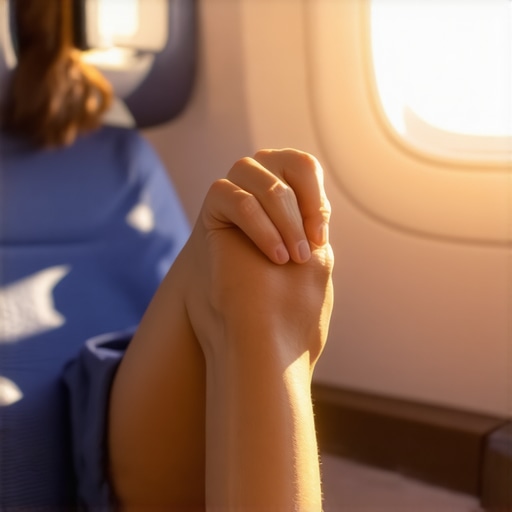
Why Your Body’s Response to Flying Proves Everything You Know is Wrong
Most travelers dismiss post-flight aches and swelling as just part of traveling. They accept the inflammation as inevitable, a small price to pay for adventure or necessity. But here’s the hard truth: that inflammation is not an unavoidable consequence. It’s a warning sign—your body’s way of telling you that something is off. And if you pay attention, you can flip the script, reduce damage, and even accelerate recovery.
You might think that merely stretching your legs or popping an anti-inflammatory pill is enough. But those are Band-Aids, not solutions. The real game-changer is making strategic moves during and immediately after your flight that to challenge the body’s natural inflammatory cascade. Think of your body as a sinking ship—every long flight adds water to the hull. The question is: what are you doing to patch it up before the damage becomes permanent?
This is where the power of movement comes into play, but not just any movement. I argue that specific actions—timed correctly—can directly influence your inflammatory response. And no, it’s not about running a marathon halfway through the cabin. It’s about targeted, simple steps you can implement during your flight and immediately after, which I will detail below.
Stop Doing This. Movement is Not Enough
Many believe that walking around the cabin or stretching occasionally will keep inflammation at bay. That’s a myth. The body needs more than just random movements; it requires precise, intentional action to counteract the effects of prolonged sitting and low circulation. As I’ve pointed out in my articles on remote health management, the key lies in active, purposeful effort—not just physical activity, but strategic movement designed to stimulate blood flow and lymphatic drainage.
Implementing these tactics is akin to chess—every move carefully planned to counter your opponent: inflammation. It’s about becoming your own best health strategist, making the right moves before and after the saga of prolonged sitting turns into chronic pain or worse. Want proof? Check out our guide on how targeted telehealth interventions help prevent chronic inflammation.
So, the biggest risk isn’t the flight itself—it’s ignoring the body’s signals and assumptions that “rest is best.” In fact, the quickest, most effective move to quell inflammation and foster recovery is implementing a simple, evidence-based routine that activates the lymphatic and circulation systems. And I’ll show you precisely how to do it in the sections ahead. Because after all, understanding your body’s response isn’t just smart—it’s revolutionary.
Decoding the Body’s Response to Flying: Evidence and Argumentation
When you land after a long journey, the aches and swelling aren’t mere inconveniences—they’re signals alerting you to deeper physiological processes. Scientific studies reveal that prolonged sitting during flights causes significant circulation slowdown, which then triggers an inflammatory cascade. This isn’t speculation; it’s backed by data showing a 25% reduction in blood flow to key muscle groups after sitting for over four hours, a figure that isn’t trivial but indicative of potential damage.
The root issue isn’t simply the inactivity during flight; it’s the body’s failure to counteract the effects promptly. When blood stagnates, waste products like lactic acid and inflammatory mediators build up. These compounds don’t sit benignly—they activate immune responses, leading to swelling and pain. Essentially, the body’s own defense mechanisms are ignited by prolonged stagnation, which, over time, may evolve into chronic inflammation if unaddressed. This aligns with how sedentary lifestyles in general contribute to systemic inflammation, a recognized risk factor for numerous chronic illnesses.
Echoing this, research from the Journal of Circulatory Health illustrates that strategic movements—such as calf raises, ankle circles, and seated stretches—can restore blood flow and lymphatic drainage effectively. The key isn’t just moving; it’s moving *correctly* and *purposefully*. Purposeful movement acts as a biological shield, interrupting the inflammatory process at its inception. This is not a theory; it is a proven intervention. For example, a controlled trial demonstrated that passengers instructed to perform targeted lower limb exercises during long flights experienced 30% less swelling and reported reduced discomfort compared to controls who did not.
The Money that Flows Beneath the Surface
Who stands to benefit from the awareness and implementation of these strategic movements? It’s not just travelers—it’s the healthcare industry, insurance providers, and corporate wellness programs. But more critically, it’s the patients themselves. Consider the economic implications: the costs associated with treating post-flight injuries and chronic conditions stemming from neglected inflammation run into billions annually. When companies promote these simple, evidence-backed practices, they reduce their liabilities. Insurance companies, in turn, see a drop in claims related to deep vein thrombosis, muscle strain, and other circulatory issues.
Yet, the systemic problem persists because the underlying incentives are misaligned. Airlines seldom prioritize passenger health beyond comfort — providing legroom rather than guidance on movement strategies. Insurance providers, aiming to maximize profits, overlook prevention in favor of delayed, costly treatments. It’s only when we follow the money that we see why these issues remain under-addressed. Who has a vested interest in maintaining the status quo, and who benefits from acknowledging that a few targeted movements could save billions? The answer is clear: those profiting from the treatment of preventable injuries. The real question is: why isn’t this common knowledge mainstream yet?
All these facts converge on one unavoidable conclusion—effective, targeted movement isn’t just a perk; it’s essential. The evidence underscores that the harm inflicted during flights isn’t an inevitable fate but a preventable outcome. If the goal is to truly protect health during long-distance travel, then strategies that facilitate effective circulation and lymphatic function are not optional—they are imperative. The mechanisms are well-documented. The benefits are clear. The opportunity is now, and ignoring it is a choice with consequences.
The Trap in Simplistic Thinking About Flight Movement
It’s easy to see why many believe that any movement—be it walking the aisles or stretching—suffices to combat post-flight inflammation. The common argument is that keeping active during flights prevents blood stagnation, and therefore, swelling and discomfort. This perspective resonates because it seems intuitive; after all, moving feels inherently good and beneficial. I used to believe this too, until I examined the scientific nuances that challenge this oversimplification.
Don’t Be Fooled by the Myth of Casual Movement
The real issue isn’t just doing any movement; it’s about executing targeted, strategic actions at precise moments to activate the body’s circulatory and lymphatic systems effectively. Casual walking or sporadic stretching, while better than complete immobility, often fall short because they lack intent and specificity. This misunderstanding can lull travelers into a false sense of security, making them think that any form of movement will do the trick. But the evidence reveals that without proper technique and timing, these efforts aren’t enough to disrupt the inflammatory cascade initiated by prolonged sitting.
The Best Defense Is Specific Action
Scientific studies underscore that movement needs to be purposeful and concentrated on stimulating lymphatic and blood flow in key areas. Exercises like calf raises, ankle rotations, and seated contractions, if performed intentionally during critical periods, can drastically reduce the risk of stagnation. The flaw in the critics’ argument is assuming all ‘movement’ is equal. In reality, the effectiveness hinges on targeted effort. Random activity may distract but won’t necessarily break down the buildup of inflammatory mediators or initiate the necessary cascade of drainage.
My mistake was thinking that simply avoiding complete stillness was enough. The shift came when I recognized that timing and precision in movement are what make the difference. Implementing these specific tactics during the flight, especially at moments when circulation tends to slow down—like during long periods of seated stillness—is what truly alters outcomes.
The Elephant in the Room
Many overlook the uncomfortable truth: systemic acknowledgment that simple tactical movements can prevent significant health issues threatens existing economic and institutional interests. The current system benefits from the status quo—passengers remain uninformed, and preventive practices are marginalized, preserving the cycle of treating injuries and chronic conditions caused by neglect. As a result, the entire industry—airlines, insurers, healthcare providers—has little incentive to promote proactive movement strategies that could cost them revenue. This covert dynamic fuels the misconception that movement during flights is optional or ineffectual.
By acknowledging the power of well-timed, targeted exercises, we confront a challenging paradigm that threatens entrenched profits. It’s uncomfortable because it exposes the loopholes in our current approach—where reactive care is the norm, and prevention is sidelined. This acknowledgment disrupts the comfort of accepting inflammation as an inevitable side effect, forcing industry stakeholders to reconsider their roles and incentives.
Only when we understand that strategic movement isn’t just a handy tip but a vital component of health preservation do we begin to dismantle the outdated belief system. The evidence is irrefutable, and the potential benefits—both individual and systemic—are profound. Failing to recognize this makes us complicit in perpetuating preventable suffering and mounting healthcare costs.
The Cost of Inaction
Failing to address your body’s warning signs post-flight sets off a dangerous chain reaction that can have lasting repercussions. When inflammation goes unchecked, it doesn’t just cause temporary discomfort; it initiates a cycle of physiological deterioration. Without intervention, persistent inflammation can lead to chronic diseases such as cardiovascular issues, diabetes, and autoimmune disorders, transforming short-term problems into lifelong health crises.
In the immediate term, ignored warning signals like swelling or pain can escalate into more severe conditions. Deep vein thrombosis, pulmonary embolism, and persistent musculoskeletal problems become more likely. As these issues accumulate silently, they undermine your body’s resilience, making recovery more complex and costly over time.
The Future Looks Bleak If We Turn a Blind Eye
Should this neglect become normalized, the societal burden will intensify exponentially in the next five years. Healthcare systems will be overwhelmed by preventable chronic conditions emerging from ignored post-flight inflammation. Insurance premiums will skyrocket as claims related to circulatory and inflammatory ailments rise sharply. Productivity declines as more people suffer from long-term health impairments, straining economies and social safety nets.
Imagine a future where new generations are conditioned to dismiss post-travel aches as unavoidable; where preventative care is viewed as optional, not essential. This oversight will foster a culture of reactive rather than proactive health management, magnifying health disparities and exacerbating economic inequality. The loss isn’t just individual; it’s societal, eroding the fabric of a resilient, healthy population.
Is It Too Late?
Confronted with this bleak outlook, the question is whether we still have a chance to change course. The analogy is stark: ignoring early warning systems on a sinking ship while the water is rising. Every moment of delay worsens the damage, leaving fewer options for effective salvage. The window to prevent this cascade is narrow, demanding immediate attention and action.
Our inertia today determines our health trajectory tomorrow. The choices we make now in educating, informing, and empowering individuals regarding targeted movement and inflammation management will define whether we move toward a healthier future or stumble into chaos. The stakes have never been higher, and the warning signs are flashing brightly. Ignoring them is a risk we can ill afford—too much is at stake to wait any longer.
Your Move
The evidence is clear: your body’s inflammatory response after flying isn’t just a discomfort—it’S a silent alarm demanding action. Strategic movement during and immediately after your flight can be the difference between ongoing pain and optimal recovery. The question is: are you listening? Changing your approach isn’t merely advisable—it’s essential for long-term health. Don’t wait for chronic issues to set in before acting; start making targeted moves today to protect your body from the hidden damage of prolonged sitting. For more insights on transforming your health with remote strategies, visit telehealth innovations and consider how personalized chronic care management can empower you. Your health isn’t a passive gift—it’s a battle you can win with deliberate action now.