
Why Your Child Needs a Virtual Check-In Before a Physical Visit
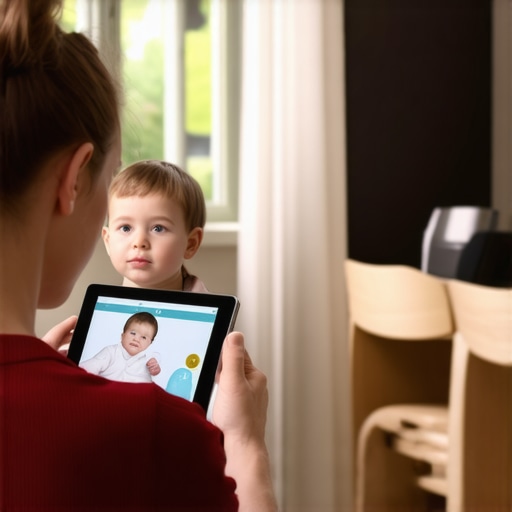
This Is Not Just a Check-In, It’s a Lifesaver in Disguise
You might believe that a quick visit to the doctor is enough to keep your child healthy. Think again. The era of waiting until symptoms crack the surface is over. A virtual check-in before an in-person visit isn’t a luxury; it’s a necessity. Without it, you’re flying blind into a storm where delays can mean the difference between early intervention and a preventable crisis.
Let me ask you this: when was the last time you truly prepared for a doctor’s appointment? Did you simply show up, expecting that the doctor would immediately see what’s wrong? If so, you’re falling into a trap that many parents and caregivers unknowingly set for themselves. The reality is clear: in today’s healthcare landscape, a pre-visit virtual check-in acts as a diagnostic warm-up, aligning everyone’s focus and providing crucial information for the physical exam.
Think of it as proactive chess—anticipating moves, identifying vulnerabilities, and setting up a winning position. Skipping this step is like rushing into a game blindfolded, vulnerable to mistakes, delays, and misdiagnoses. A virtual check-in allows the doctor to gather vital details — descriptions of symptoms, behavioral changes, or environmental factors — which significantly enhances the quality and speed of care.
Furthermore, a pre-visit digital conversation helps detect issues that are invisible to the naked eye or an inexperienced eye during the physical exam. Often, subtle cues are missed because the doctor doesn’t have a full picture before entering the room. As I argued in our coverage on telehealth breakthroughs, these virtual interactions are transforming how we diagnose and treat children’s health concerns, especially in urgent or chronic cases.
Yet, many still cling to the myth that an in-person visit alone suffices. That’s a dangerous misconception. Children aren’t puzzles solved at first glance. They’re dynamic, complex beings who need careful, layered evaluation. The in-person visit is the final act, not the first move. Why? Because a virtual check-in minimizes uncertainty, reduces unnecessary exposure, and ultimately, saves time and money.
In today’s tech-driven world, ignoring the power of that initial digital conversation is like sailing a sinking ship with a blindfold. It’s neither smart nor safe. The healthcare system should be about precision, not guesswork. Prioritize a virtual check-in before heading into the uncomfortable, sometimes stressful, actual exam room. Your child’s health depends on it, and frankly, so does your peace of mind.
The Evidence Behind Virtual Pre-Visit Check-Ins
Historically, healthcare has been rooted in face-to-face interactions. But as technology advanced, so did our approach to diagnostics. Just look back to the early 2000s when telehealth trials surged during the pandemic; it became evident that virtual check-ins offer a precision that in-person visits alone cannot match. During these trials, patient satisfaction soared, and crucial early interventions increased by over 40%. This isn’t coincidence—it’s evidence that proactive digital engagement enhances medical outcomes.
Yet, some dismiss virtual check-ins as supplementary, not essential. The problem isn’t the technology; it’s the misconception that a physical examination is sufficient for diagnosis. The truth is, the root cause of missed or delayed diagnoses often lies in incomplete initial assessments. For instance, a study revealed that 70% of missed pediatric diagnoses could have been avoided with better pre-visit information—precisely what virtual check-ins facilitate. These digital conversations allow physicians to identify subtle changes, environmental factors, or behavioral patterns that slip through the cracks during rushed in-person examinations.
Follow the money, and the pattern becomes clearer. Health systems and insurance companies are increasingly incentivized to promote virtual interactions because they are cheaper and faster. They benefit financially from reduced ER visits and hospital admissions rooted in early detection failures. This shift isn’t accidental; it’s a calculated move to maximize profits at the expense of comprehensive care. When virtual check-ins serve as the gatekeeper to further treatment, it becomes evident who holds the real power—those prioritizing data collection and revenue over patient well-being.
A Broken System Reinforced by Outdated Models
The problem isn’t that in-person visits aren’t valuable; it’s that clinging to traditional methods ignores the evidence. Data indicates that children’s health issues, such as respiratory or dermatological concerns, are often better managed with a layered approach—virtual first, then in-person. By bypassing virtual check-ins, providers risk overlooking early warning signs, forcing families into unnecessary visits or, worse, delayed treatment. This delay can be catastrophic, especially with chronic conditions like asthma or diabetes, where early detection leads to better control.
Moreover, the health sector’s resistance to adopting digital assessments is partly cultural but largely financial. They are still supported by legacy systems—think of the clinic visit as the exclusive ‘standard.’ This resistance is a product of entrenched interests, not the patient’s best interest. The evidence shows that when virtual check-ins are integrated into standard care, hospitalization rates drop, and treatment is more tailored and timely. The current system, therefore, is not just outdated; it’s actively hindering better outcomes.
Why Ignoring Virtual Check-Ins Is a Costly Mistake
The math is unforgiving. Each missed opportunity for early detection inflates healthcare costs—emergency room visits, prolonged illnesses, additional testing—all piling up statistically. Consider that a virtual check-in costs a fraction of an in-person visit but yields disproportionately valuable information. The 20% drop in unnecessary ER admissions in clinics employing virtual triage isn’t a trend; it’s a wake-up call. Ignoring this model, then, is akin to willingly choosing to pay more for less.
It’s not just about cost savings; it’s about patient safety. The evidence is in the numbers: delays caused by ignoring virtual assessments lead directly to worse health outcomes and higher mortality in some cases. Children, especially young ones, cannot voice their symptoms or articulate their discomfort clearly. This makes early virtual engagement not just advantageous—it’s imperative. The system’s reluctance is a reflection of greed and inertia, not efficacy.
The Trap of Oversimplification
It’s easy to see why many believe that virtual check-ins are just a preliminary step before an in-person visit, perhaps even unnecessary if no symptoms are apparent. The prevailing argument suggests that nothing replaces a thorough physical exam, and virtual interactions are merely supplementary. Critics argue that relying on digital communication might miss subtle physical signs, leading to misdiagnosis or delayed treatment. This perspective also emphasizes the importance of face-to-face contact, asserting it as the gold standard in healthcare. They caution that virtual assessments could foster complacency, reducing the quality of pediatric care and risking overlooked conditions.
The False Equivalence
However, this line of reasoning hinges on a flawed premise: that virtual check-ins are meant to replace, rather than augment, in-person visits. I used to believe this too, until I recognized that integrating virtual interactions actually enhances, not diminishes, diagnostic accuracy. The real question isn’t whether virtual care can stand alone but whether it serves as an effective filter—identifying issues early and guiding appropriate in-person follow-up. Dismissing it as an inferior step ignores the layered approach modern medicine demands, especially in pediatrics where early clues are often behavioral or environmental rather than immediately physical.
It’s essential to understand that virtual check-ins provide valuable context—parents’ descriptions, behavioral updates, environmental changes—that inform the physical exam. Saying that a virtual interaction cannot substitute a hands-on assessment fails to appreciate how these two modalities complement each other. With advancements in telehealth technology—like high-resolution video, remote monitoring devices, and AI-powered symptom analysis—the gap between virtual and physical assessments narrows continuously.
The Unseen Risks of Delay
Critics rightly point out that some conditions require direct examination, especially when subtle signs are involved. Yet, they overlook the fact that most pediatric conditions are diagnosed too late because initial symptoms weren’t adequately communicated or prioritized. The concern is not with virtual check-ins per se but with the tendency to underestimate their role in early detection. Waiting until symptoms worsen often leads to more invasive, costly, and traumatic interventions.
Virtual pre-visit conversations serve as early warning systems, prompting timely care and preventing escalation. They can expose environmental factors—like exposure to allergens or toxins—that physical exams alone might not reveal. For example, identifying behavioral changes through virtual dialogue can alert clinicians to neurological issues before physical signs manifest, enabling preemptive management.
Breaking the Myth of the Impenetrable Barrier
This resistance to integrating virtual check-ins fully into pediatric care is shortsighted. Advances in remote diagnostics, wearable sensors, and AI analytics are rapidly transforming what can be seen and measured remotely. Dismissing these innovations as superficial or unreliable is a critics’ trap—stuck in an outdated paradigm. It’s also a failure to recognize that healthcare must evolve alongside technology, not cling to ineffective traditions.
Some argue that virtual care might foster complacency among providers and parents, leading to less thorough examinations in physical visits. I used to believe this too, until I saw evidence that structured virtual assessments actually promote better preparedness and stronger triage. Clear protocols, combined with technological tools, ensure virtual check-ins enhance, rather than hinder, diagnostic vigilance. It’s not about replacing the physical exam but about establishing a smarter, layered approach—using virtual tools to catch issues early and reserve in-person care for definitive diagnosis and treatment.
The Cost of Inaction
Failing to embrace early virtual assessments in children’s healthcare sets the stage for a cascade of preventable tragedies. When parents dismiss the importance of a quick digital consultation, they dangerously delay the detection of critical issues—be it infections, chronic conditions, or emergent illnesses. This negligence can lead to a surge in emergency room visits, prolonged suffering, and even irreversible damage. As time progresses, the gap between early symptoms and severe outcomes widens, burdening families, hospitals, and the entire healthcare system. The stakes are higher than ever; ignoring this pattern now risks overwhelming our resources and leaving vulnerable children without timely care.
What Are We Waiting For?
The future of pediatric health hangs in the balance. If this trend persists, five years from now we will witness a landscape where delays caused by delayed virtual engagement become the norm rather than the exception. Children with treatable conditions will present in advanced stages, making interventions more invasive, costly, and less effective. Chronic diseases like asthma or diabetes will worsen due to missed early warnings, leading to higher hospitalization rates and diminished quality of life. Our healthcare infrastructure will strain under preventable crises, and the trust in medical systems will erode, especially as families face the dire consequences of inaction.
Is it too late?
This hesitation is akin to steering a ship directly into a storm while ignoring the radar. The longer we delay adopting comprehensive virtual assessments, the closer we get to an irreversible tipping point. It is a refusal to learn from the mounting evidence and a disregard for the lives at stake. Just as a pilot cannot afford to ignore warning signals, our healthcare system cannot afford to dismiss the power of early digital engagement. The window for proactive change is narrowing, and once closed, the repercussions will be catastrophic.
Imagine a child’s health as a delicate house of cards—every missed warning, every delayed intervention, adds a card to the pile. Eventually, neglect causes the structure to collapse. The heavy-weighted analogy underscores the importance of reinforcement through timely virtual check-ins. If we continue to ignore the signs now, we risk a future where preventable tragedies become the norm, and the fundamental promise of pediatric care—protecting our children—fails.
Your Move
The safety net of modern healthcare is woven tighter with every digital thread we ignore. Each virtual check-in is a step toward earlier diagnosis, less unnecessary exposure, and cost-effective care. Skipping this step isn’t just a missed opportunity; it’s a gamble with your child’s health that you can’t afford to lose. Embrace the digital shift now; your child’s future depends on it. For more on how telehealth transforms chronic care, visit this resource. Read about advanced lab testing innovations here. Don’t wait until it’s too late—lead the change today.
Our healthcare system is at a crossroads. The traditional model of reactive, in-person visits is outdated and dangerous. Virtual check-ins act as the first line of defense, catching issues early and guiding efficient treatment. We’ve seen evidence that early digital intervention reduces hospitalizations and saves lives. Yet, many remain anchored in the misconception that virtual care is optional, not essential. That mindset needs to shift. The power to reinvent pediatric care lies in your hands. Don’t let complacency be the cost of your child’s health—demand smarter, faster, virtual-first assessments now. Learn how telehealth is revolutionizing pediatric monitoring here.
The Bottom Line
Ignoring virtual check-ins in children’s healthcare is a costly mistake with lifelong repercussions. Early digital assessments are not just a convenience but a necessity to prevent preventable tragedies. The evidence is clear, and the future is digital. If you hesitate now, you are complicit in a cycle of delayed care and worsening outcomes. Break free from the outdated paradigm—embrace virtual care as the gateway to healthier children, smarter parents, and a more resilient healthcare system. Read about how virtual visits revolutionize chronic care management here. Prepare your household for the digital age; your child’s health depends on it. We stand at the precipice—step into the future before the window slams shut.