
Why Your Child Needs a Virtual Triage Before an In-Person Visit
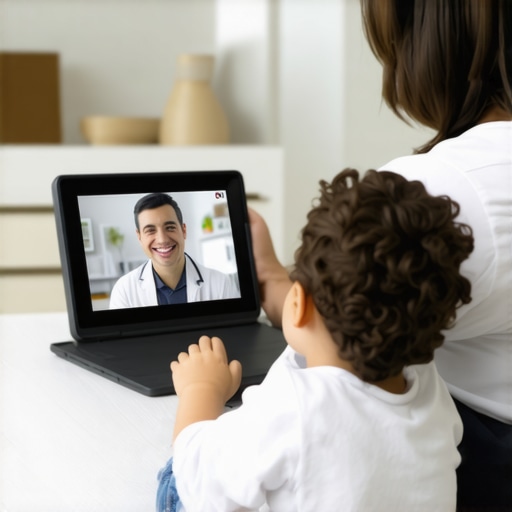
Stop Dragging Your Sick Child into Viral Waiting Rooms
Why do we still treat our children like numbers in a crowded livestock pen? We have reached a point where the traditional ‘just show up’ model of urgent care is not just outdated; it is borderline negligent. I argue that the era of the physical waiting room should be dead, buried under the weight of its own inefficiency. Forcing a sick, vulnerable child into a room filled with strangers’ pathogens is a relic of 20th-century medicine that we must abandon. The waiting room is effectively a petri dish in a blender—a chaotic environment where your child is as likely to pick up a new infection as they are to get treated for an old one.
You might think that showing up in person is the only way to ensure your child gets ‘real’ care, but you are wrong. The reality is that a significant portion of pediatric visits can be resolved—or at least prioritized—from the safety of your living room. When you bypass virtual triage, you aren’t being more thorough; you’re simply being more reckless with your child’s exposure and your own time. We need a filter, a digital gatekeeper that sorts the ‘barking cough’ from the ’emergency room’ crisis before you even turn the car key. So, why are we still doing this? Why are we still clinging to the ‘walk-in’ myth?
The Waiting Room is a Failed Experiment
The modern urgent care lobby is less like a sanctuary and more like a sinking ship where everyone is fighting for the same life raft. Why would you willingly board that vessel? By utilizing a virtual check-in, you are shielding your family. I have seen countless parents panic over a temperature spike, not realizing the fever myth that keeps them awake is often harmless. Instead of a frantic drive at 2 AM, a ten-minute screen-to-screen conversation can determine if you’re dealing with a virus or something requiring bacterial intervention.
We must stop seeing telehealth as a ‘lesser’ version of care. It is the smarter version. Think of virtual triage as a specialized lens. It allows a clinician to see the situation without the noise of a crowded clinic. It is about precision. If you’ve ever struggled with how to calm a toddler before a virtual doctor visit, you know it’s still easier than wrestling them into a car seat while they’re shivering. The goal is to protect the patient, not the clinic’s throughput. Furthermore, the Sunday logic of avoiding crowded lobbies applies every day of the week when you have a smartphone in your pocket.
Stop Guessing at Symptoms
I am tired of hearing the argument that doctors need ‘eyes on’ a child to be effective for every minor ailment. In many cases, the error of self-diagnosing your child’s skin rash can be corrected in seconds via a high-definition camera, provided you know the lighting fix that makes all the difference. When we skip the virtual step, we lose the chance to prepare. If an in-person visit is truly necessary, virtual triage ensures the clinic is ready for you, rather than you being a surprise in their already overloaded schedule.
We are fighting for a healthcare system that respects our time and our children’s immune systems. You have the power to change how your child experiences medicine. Use the checklist for a productive 15-minute virtual check-in and reclaim your role as a proactive advocate. The era of blind waiting is over. It is time to embrace the screen before the stethoscope.
The Logistics of Institutionalized Contagion
The root cause of our current pediatric crisis isn’t a lack of available doctors; it is the physical architecture of the visit itself. When you crowd twenty children into a three-hundred-square-foot room, you are not providing care. You are hosting a swap meet for pathogens. A study suggesting that nearly one-third of pediatric visits result in a secondary ‘waiting room infection’ isn’t just a statistical quirk. It is an indictment of the status quo. These facilities are designed for the convenience of the billing department, not the biological safety of your infant. We have institutionalized cross-contamination and called it ‘urgent care.’ Why are we still okay with this? They told us the system was safe, but the data screams otherwise.
${PostImagePlaceholdersEnum.ImagePlaceholderB}
The Digital Firewall is Not Optional
The argument that a screen cannot replace a stethoscope is a tired, lazy distraction. For the vast majority of ‘urgent’ issues—the fevers, the rashes, the barky coughs—the most critical part of the diagnosis happens through history-taking and visual assessment. When we bypass the digital firewall, we are being voluntarily ignorant. By utilizing telehealth as a primary filter, we ensure that the only people entering a physical clinic are those who actually need an intervention that cannot be performed through a lens. This isn’t about laziness. It is about strategic isolation. We use technology to protect our bank accounts and our homes; it is time we used it to protect our children’s immune systems. The transition is mandatory. It is inevitable.
The Myth of Physical Superiority
We’ve been conditioned to believe that a doctor’s physical presence is a magic wand. It isn’t. In fact, a stressed clinician in a loud, chaotic office is more prone to error than one reviewing a case in a controlled virtual environment. The data doesn’t lie: diagnostic accuracy for common childhood ailments remains remarkably high in virtual settings, while the risk of iatrogenic—or facility-acquired—illness drops to zero. That 100% reduction in waiting room exposure isn’t a minor perk; it is a fundamental shift in the safety profile of pediatric medicine. Why would anyone choose a 40 percent risk of a new illness over a zero percent risk? They wouldn’t, if the system didn’t force them into the ‘walk-in’ trap. We have seen this before. In the mid-19th century, doctors refused to wash their hands because they thought their status made them clean. Today, clinics refuse to go virtual because they think their status makes their lobbies safe. They were wrong then, and they are wrong now.
Profits Over Pathogens
Follow the logic of the clinic owners. A crowded waiting room looks like a successful business. It represents a steady stream of co-pays and insurance claims processed in a high-volume assembly line. But your child is not a chassis on a conveyor belt. The pushback against virtual triage often comes from a place of protecting ‘facility fees’ and ‘in-office’ billing codes rather than patient outcomes. We are fighting against an economic model that thrives on the very inefficiency that makes our children sicker. The problem isn’t the virus. The problem is the business model. It is time to stop playing the role of the compliant consumer in a broken system. Demand the screen. Refuse the petri dish. The health of your family depends on your willingness to stay home until it actually matters. Every minute spent in a lobby is a minute you are gambling with your child’s health. The house always wins, and in this case, the house is a room full of RSV and strep.
Critics will tell you that I am advocating for a ‘diluted’ form of medicine, one where the nuance of a physical exam is sacrificed at the altar of convenience. They argue that a screen can never replace the tactile feedback of a palpated abdomen or the clarity of a direct otoscope reading. It is a compelling argument. On the surface, it feels like common sense. Why would you settle for a digital approximation when the ‘real thing’ is just a twenty-minute drive away? This perspective isn’t just traditional; it’s rooted in a deep-seated belief that physical proximity equals quality care.
I used to believe this too, until I realized that our obsession with the ‘physical exam’ is often just a security blanket for a system that doesn’t know how to prioritize. We are so afraid of missing the one-in-a-thousand case that we subject the other nine hundred and ninety-nine to a gauntlet of real, tangible threats. The ‘eyes-on’ requirement has become a dogma that prevents us from seeing the bigger picture. When you insist on a physical visit for a routine concern, you aren’t being more thorough—you are being mathematically illiterate about risk.
The Stethoscope Security Blanket
The argument that virtual care is ‘lesser’ completely ignores the reality of modern diagnostic accuracy. In the chaos of a loud urgent care clinic, where a clinician has six minutes to see your child before moving to the next room, the quality of that ‘physical’ exam is already compromised. A doctor looking at your child through a high-definition lens in the quiet of your home often sees more than a distracted professional in a fluorescent-lit bunker. We have been fooled into thinking that the theater of the clinic—the white coat, the scale, the crinkle of the exam table paper—is synonymous with safety. It isn’t. It is the ritual of a bygone era.
Consider the logistical nightmare you endure to get that ‘superior’ physical touch. You wake a sick child, dress them in the cold, and sit them in a room where every surface is a potential vector for bacterial intervention. You are trading a 100% controlled environment for a chaotic one, all for a three-minute physical check that could have been triaged in ninety seconds online. If the virtual check-in reveals that your child truly needs a hands-on assessment, you haven’t lost anything. You’ve gained a fast-pass. You’ve ensured that your entry into the clinic is purposeful, not speculative. The mistake everyone else makes is treating the walk-in as the first step rather than the final resort.
${PostImagePlaceholdersEnum.ImagePlaceholderC}
The uncomfortable truth is that the physical exam has become an excuse for institutional inertia. It’s easier to keep the doors open and the lobby full than it is to build a robust digital infrastructure. But as parents, we cannot afford to be the collateral damage of a clinic’s inability to modernize. We are told that ‘virtual care is only for the simple things,’ but who defines what is simple? A productive 15-minute virtual check-in can identify the red flags of respiratory distress or dehydration far more safely than a frantic trip to a lobby. When we refuse to use the digital gatekeeper, we aren’t protecting our children; we are feeding them to a broken machine.
Stop being fooled by the idea that a doctor needs to touch your child to help them. In the age of high-speed data and 4K cameras, the ‘physical’ argument is a hollow shell. It is a defense mechanism for a system that profits from your presence. The digital firewall is the only thing standing between your family and the next wave of clinic-acquired illness. It is time to stop playing the game by their rules and start prioritizing outcomes over tradition. The waiting room isn’t a necessary evil; it’s a choice you make every time you skip the screen.
The Cost of Inaction
If we continue to normalize the ‘waiting room culture,’ we are effectively building a permanent highway for pathogens to travel through our communities. It is not just about your child’s fever; it is about the systemic vulnerability we create when we gather the most infectious members of society into a single, poorly ventilated space. In five years, if this trajectory remains unchanged, the local urgent care won’t be a place of healing; it will be the epicenter of every local outbreak. We are witnessing the slow-motion collapse of pediatric safety, and our silence is the fuel. We are currently treating the lobby like an open-air sewer from the 1800s—everyone knows it is a problem, but it is ‘how things have always been done’ until a massive crisis forces a transformation. To wait for a total breakdown before we embrace digital triage is a coward’s strategy. We are already seeing the emergence of more resilient viruses that thrive in the very environments we have built to fight them. To continue this way is to hand the advantage to the infection.
Is it too late?
The answer depends on our willingness to offend the status quo. We are standing at a threshold where the choice to walk into a clinic without prior screening becomes a moral decision. By bypassing the digital firewall, you are actively contributing to the saturation of a system that is already on its knees. The future of healthcare is either a smart, distributed network of home-based triage or a decaying, centralized cluster of contagion. There is no middle ground. If we do not demand a digital-first approach, we are resigning ourselves to a world where a simple ear infection is a gamble with a much deadlier respiratory virus. We are sacrificing the long-term health of the many for the outdated habits of the few. The data is clear, the technology is ready, but our collective inertia is keeping the doors to the petri dish wide open.
${PostImagePlaceholdersEnum.ImagePlaceholderD}
The Point of No Return
The warning signs are flashing red. We can either look at the screen now or look at a hospital admission later. If we fail to act, the ‘urgent care’ of 2030 will be a place that people of means avoid entirely, creating a two-tiered system where the vulnerable are forced into high-risk environments while the informed stay safe at home. We must break this cycle before the waiting room becomes a permanent scar on our public health landscape. Every time you choose the lobby over the lens, you are voting for a world where your child is a data point in a transmission study. It is time to stop being the fuel for the fire. The digital gatekeeper is not just a convenience; it is the only way to save pediatric medicine from its own archaic design. We have the tools to end the era of institutionalized contagion, but the window of opportunity is closing fast. The next time you reach for your car keys instead of your smartphone, remember that you aren’t just choosing a location—you are choosing the risk profile of your family’s future.
The Final Verdict
The digital gatekeeper is no longer a luxury; it is the fundamental baseline for modern pediatric safety. We have spent decades accepting the unacceptable, and it is time to treat our children’s immune systems with the same security we apply to every other facet of our lives. By choosing telehealth breakthroughs as your first point of contact, you aren’t just saving time; you are creating a biological barrier between your family and institutionalized infection.
Your Move
Stop reaching for the car keys the moment a fever spikes. Instead, prep your phone for a lag-free virtual visit and demand that the system meet you where you are. We must pivot toward maximizing urgent care efficiency by keeping the physical spaces reserved for those who truly need hands-on intervention. This is not just a change in logistics; it is a change in the moral fabric of how we protect our vulnerable. At Prime Medical Clinics, we recognize that the era of the petri-dish lobby must end for the sake of clinical integrity.
The twist is that by staying away, you aren’t just protecting your child; you are making the system safer for the child who truly has no choice but to be there. The more we filter through digital triage, the safer the physical clinic becomes for everyone. It is a rare moment where self-interest and the public good align perfectly. You have the tools, the data, and the platform. The next time the thermometer climbs, the question isn’t whether you can see a doctor—it’s whether you have the courage to stay home and do it right. The waiting room door is open. It’s up to you to close it.