
How to Get Your Lab Results Explained Without a Long Wait
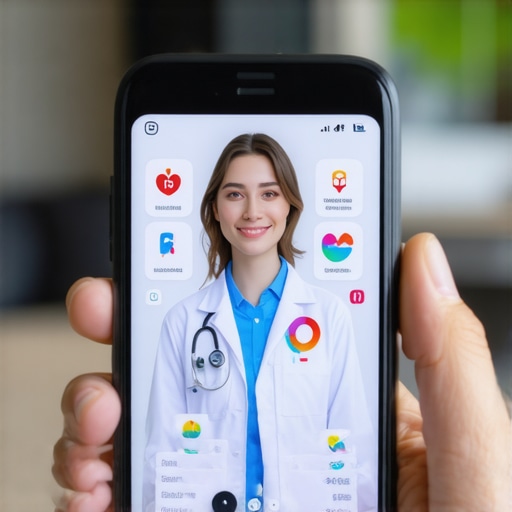
Your Doctor is Holding Your Lab Results Hostage
Stop checking the app. Stop waiting for the ‘ping’ on your phone that never comes. The modern medical system has turned your blood work into a proprietary secret, a locked vault where you own the contents but the doctor owns the key. I argue that the two-week wait for a follow-up appointment isn’t just an inconvenience; it’s an institutional failure. You’ve been conditioned to think that your body’s data is too complex for your own brain. Why do we accept this? We live in an era of instant gratification for everything from groceries to tax returns, yet when it comes to the markers of our own survival, we’re told to sit down and be patient. I’m here to tell you that patience is for people who don’t value their time. The ‘wait-and-see’ approach is a relic of 1950s paternalism that has no place in 2025. You are the primary stakeholder in your health. So, why are you treated like a guest in your own chart?
The truth is, the system is designed to maximize billing, not your peace of mind. By the time you get that ‘everything looks normal’ phone call, the information is already stale. It’s like buying a car and being told you can’t have the keys until the dealer has a free slot in his calendar next Tuesday. You shouldn’t have to beg for your own metrics. I’ve seen how urgent care innovations are finally breaking the bottleneck, allowing patients to bypass the bureaucratic sludge that defines the primary care experience. If your doctor’s office tells you it will take ten days to review a basic lipid panel, they aren’t being thorough; they’re being inefficient.
[IMAGE]
The Physical Waiting Room is Where Efficiency Goes to Die
You might think the delay is because your physician is meticulously analyzing every blood cell. You’re wrong. Most of the time, your results are sitting in a digital queue, waiting for an administrative assistant to flag them for a doctor who is already triple-booked with physicals. This is why you need to learn how to get your raw lab data before the doctor calls you. Knowledge is not a privilege the medical board grants you; it is your property. When you wait for a phone call that may never come, you are giving up your agency. You are letting a clinic’s poor scheduling dictate your stress levels. Why stay in that cycle? We have the technology to interpret data in real-time, yet we cling to a system that feels like it’s running on a dial-up modem.
Telehealth has changed the landscape, but only for those who know how to use it. I believe the future belongs to those who refuse to wait. The reality is that the secret to getting your lab results without the long wait isn’t some complex hack; it’s about demanding access and utilizing modern platforms that prioritize the patient over the process. You are not a child who needs a teacher to read back your grades. You are an adult who paid for a service. It is time the medical industry started acting like it. If a clinic can’t give you answers within 48 hours, they don’t deserve your business. Period. We need to stop romanticizing the ‘family doctor’ who takes a month to call and start demanding the efficiency we expect from every other sector of the economy. The ship of slow medicine is sinking, and you shouldn’t be the one left holding the bucket.
The Myth of the ‘Clinical Review’ Period
The medical establishment loves to hide behind the phrase ‘the doctor needs to review these.’ It sounds responsible. It sounds *thorough*. It is a lie. In the age of automated lab systems, any result that falls outside the reference range is instantly flagged by a computer with far more precision than a sleep-deprived physician. The delay isn’t for your safety; it’s for their schedule. They want to control the flow of information so they can control the flow of the conversation. When you receive a lab result in real-time, you have the opportunity to research, to formulate questions, and to demand specific answers. When they hold it for two weeks, they ensure you remain reactive rather than proactive. You are forced into a defensive crouch, grateful for whatever crumbs of information they deign to drop during a rushed ten-minute exit interview.
The Billable Hour is the Real Gatekeeper
Let’s look at the mechanics of the modern clinic. The problem isn’t a lack of technology; the problem is the revenue model. A phone call to explain a lipid panel is often difficult to bill. A follow-up office visit, however, is a guaranteed line item on an insurance claim. This is where the ‘wait-and-see’ philosophy transforms from a medical strategy into a financial one. They aren’t protecting your health; they are protecting their margins. If you get your results on your phone the moment the lab technician hits ‘enter,’ you might realize that your slight elevation in glucose is easily managed with diet. You might not need that extra consultation. To the business of medicine, a self-sufficient patient is a lost customer. We see this in the data: reports on CURES Act compliance show that nearly 30% of providers still engage in ‘information blocking.’ This isn’t a technical glitch. It is a blockade. It is a deliberate choice to prioritize the clinic’s administrative convenience over the patient’s right to know.
${PostImagePlaceholdersEnum.ImagePlaceholderB}
The Law They Choose to Ignore
The federal government passed the 21st Century Cures Act to end this exact brand of paternalism. It mandated that patients have immediate access to their electronic health information, including lab results, without delay. Yet, hospitals and private practices continue to drag their feet, hiding behind ‘system upgrades’ or ‘policy reviews.’ They rely on your ignorance of the law. They bet on the fact that you won’t cite federal mandates when the receptionist tells you the doctor is ‘still looking at it.’ This institutional defiance is a slap in the face to every person who has spent a weekend in a state of panic, wondering if a vague symptom is a death sentence. The information exists. The servers have it. The only thing standing between you and your peace of mind is a culture that views patients as liabilities rather than partners. We have moved past the era where a doctor is a mysterious oracle. It is time the industry stopped pretending that a PDF of your potassium levels is a state secret. The gate is already broken; they are just standing in the way, hoping you don’t notice the hinges are off.
Critics will say that giving patients raw data is like handing a toddler a loaded gun. They argue that without a decade of medical school, you are fundamentally incapable of distinguishing a life-threatening crisis from a statistical outlier. The ‘anxiety’ argument is the most popular shield used by medical boards. They claim they are protecting you from the ‘cyberchondria’ of a Google search. They want you to believe that a 48-hour delay is a form of clinical compassion, a necessary buffer to ensure that when you finally hear the news, it is delivered with the proper ‘context.’ It’s a compelling argument if you view the patient as a passive recipient of care rather than an active participant in their own survival.
But this logic completely ignores the reality of 2025. I used to believe this too, until I realized that silence is a far more potent fuel for anxiety than data. We are not protecting patients; we are infantilizing them. The stress caused by a slightly out-of-range glucose reading is nothing compared to the existential dread of a ringing phone that never picks up. When we gatekeep data, we don’t prevent panic; we just delay the patient’s ability to act. If the medical establishment were truly worried about anxiety, they would invest in better digital interfaces that explain results in plain English, rather than hiding the PDF behind a firewall.
${PostImagePlaceholdersEnum.ImagePlaceholderC}
The Expertise Smoke Screen
The idea that only a physician can interpret a standard lipid panel or a basic metabolic profile is an insult to modern education. We are the most informed generation in human history. While a doctor’s expertise is vital for diagnosis and treatment plans, the raw data is simply a snapshot of your biology. Using urgent care innovations as a model, we see that immediate transparency actually leads to higher patient satisfaction and better adherence to treatment. When you see the numbers yourself, the stakes become real. It moves the conversation from an abstract lecture to a collaborative strategy session.
The common trap is thinking that the doctor is the only one who can handle ‘bad news.’ In reality, most lab results are mundane. By holding up 95% of normal results to catch the 5% of outliers, the system creates a massive bottleneck that serves no one but the billing department. If you have been struggling with complex healthcare needs, you know that speed is a diagnostic tool in itself. Waiting two weeks for a result that could have been handled via telehealth in five minutes isn’t ‘best practice.’ It’s a waste of human life and a drain on your mental health.
The elephant in the room is that the medical industry is terrified of a patient who knows too much. A patient who walks into an office already knowing their A1C is 6.8 is a patient who asks difficult questions. They are a patient who demands specific interventions. They are a patient who is harder to ‘manage’ through a conveyor-belt system. The resistance to immediate data access isn’t about clinical safety; it’s about the preservation of a hierarchy that is rapidly becoming obsolete. You don’t need a middleman to tell you what’s happening inside your own veins. Learn how to get your raw lab data before the doctor calls you and take back the wheel.
The High Price of Compliance
If we continue to treat this administrative bottleneck as a minor annoyance, we are effectively consenting to a future where medical autonomy is a luxury rather than a right. This isn’t just about waiting for a phone call; it is about the precedent we set for the next generation of healthcare. If we don’t demand transparency today, the medical systems of 2030 will be even more opaque, hiding behind artificial intelligence models that provide ‘summaries’ instead of the raw data we paid for. We are at a crossroads where the patient either becomes a partner or remains a permanent ward of the state. Imagine a world where your wearable device knows you’re having a cardiac event, but your doctor’s firewall prevents the data from being actionable until a human reviews it forty-eight hours later. That is the trajectory we are on, and it is a death trap of our own making.
${PostImagePlaceholdersEnum.ImagePlaceholderD}
What are we waiting for?
We are waiting for a permission slip that should have never existed. The delay is the tool of the dominant party to maintain its dominance. Think of your health data like your bank account. You would never tolerate a bank that refused to show you your balance until a financial advisor had time to ‘contextualize’ your spending habits. You would call it theft. Yet, when it comes to the metrics of your own biology—the very data that determines how long you will live—we accept the ‘context’ excuse without a second thought. This isn’t just a wasted opportunity; it is a moral failure of the industry. We have the infrastructure for a democratization of health, but we are choosing to maintain a digital feudalism where we are the serfs and the clinics are the lords.
The Point of No Return
The stakes couldn’t be higher. In five years, the volume of health data will explode tenfold. If the gatekeeping mentality survives this transition, we will see a widening gap between the elite who can navigate the system and the average person who is left in the dark. We will see preventable diseases go untreated simply because a PDF was stuck in an inbox. This is the consequence of inaction. Every time you accept a ‘two-week wait’ for results, you are voting for a system that values its schedule over your survival. The ship is taking on water, and the ‘family doctor’ nostalgia is the anchor pulling us under. We need to stop asking for our data and start taking it. The window to demand a decentralized, transparent medical future is closing, and once the bureaucracy fully digitizes its gatekeeping, there will be no turning back. This is your body, your data, and your life. Don’t let a billing cycle be the thing that ends it.
The Choice is Yours
We are standing at the edge of a new era in healthcare, but the gatekeepers are still clutching the keys to the old world. If you want to change the way you are treated, you have to change the way you behave. The next time you are told to wait for a ‘clinical review,’ remember that you have a legal and moral right to that information the second it exists. This connects to my argument in how to get your raw lab data before the doctor calls you—knowledge is not a gift from your physician; it is your property. We must stop allowing the administrative convenience of a clinic to dictate our peace of mind. Whether you are managing chronic care management or just checking a cholesterol level, the time for passive compliance is over.
[IMAGE]
Take Back the Wheel
The medical establishment will not hand you your autonomy on a silver platter. You have to seize it. By utilizing telehealth breakthroughs, you can bypass the traditional bottlenecks and demand real-time engagement. If your current provider refuses to adapt, find one that values efficiency as much as you do. The future of your health depends on your willingness to stop being a patient and start being a partner. We already see how maximizing urgent care efficiency is possible when technology is prioritized over tradition. Do not let yourself be the last person to know what is happening inside your own body.
The final verdict is simple: You are the CEO of your own health, and the doctor is a consultant you hire. If a consultant refused to show you the data behind their recommendations, you would fire them. Why should your medical care be any different? The twist is that by demanding your data now, you aren’t just helping yourself; you are forcing a broken system to evolve before it becomes entirely obsolete. Stop waiting for the ‘ping.’ Go get your answers.